Why Regular System Evaluation is Key for Efficient Cooling

In today’s fast-paced world, efficient cooling systems are essential for homes, offices, and industries. But how can we ensure these systems run at their best? Regular system evaluation is crucial. In this blog, we will explore the importance of routine assessments, the benefits they bring, and tips for effective evaluations. Let’s dive in!
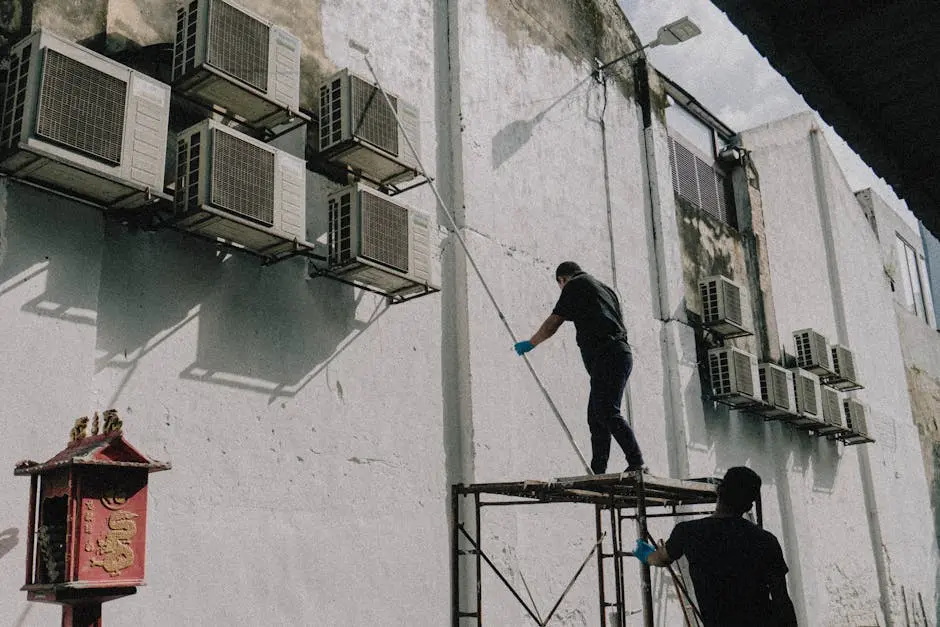
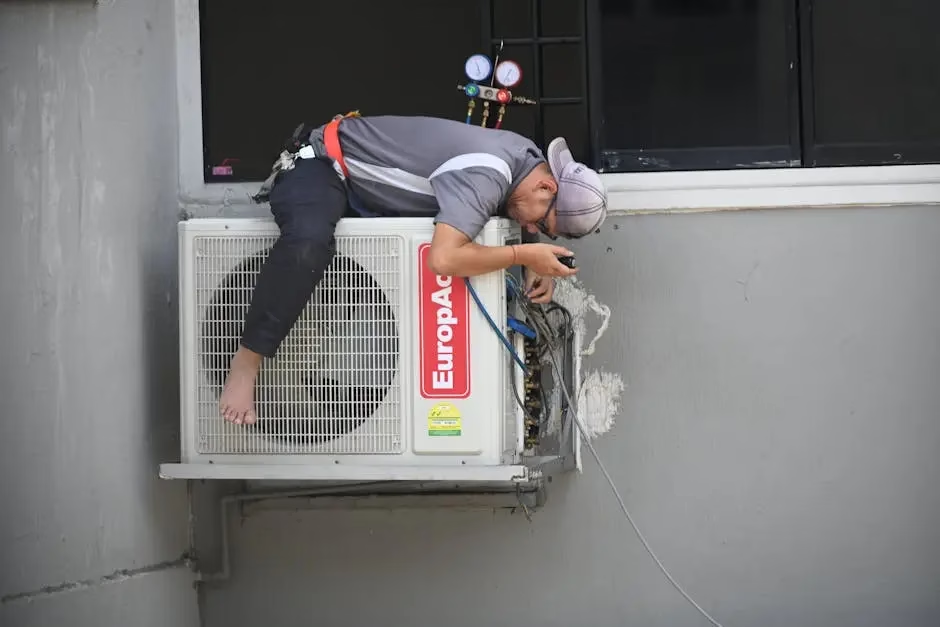
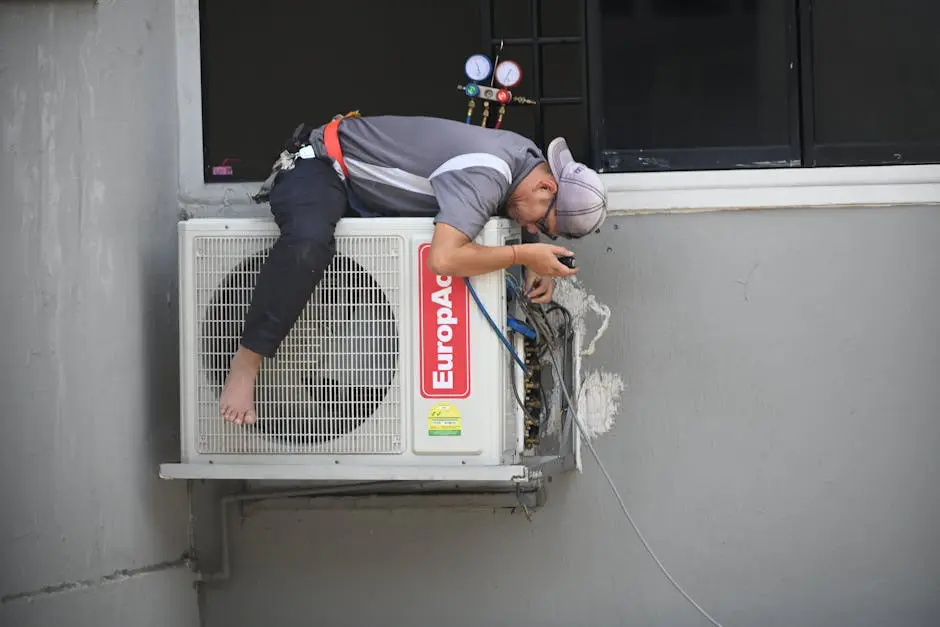
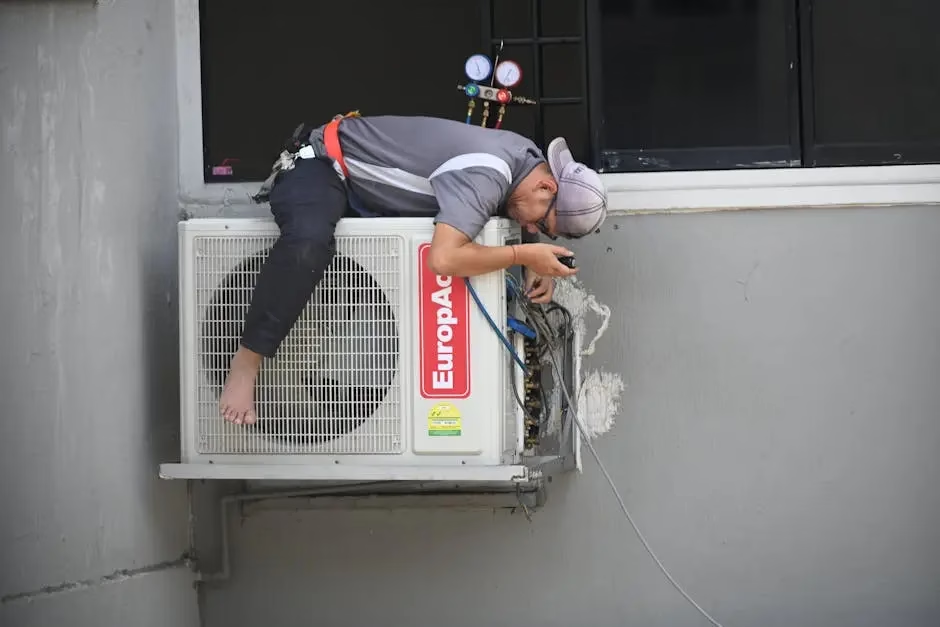
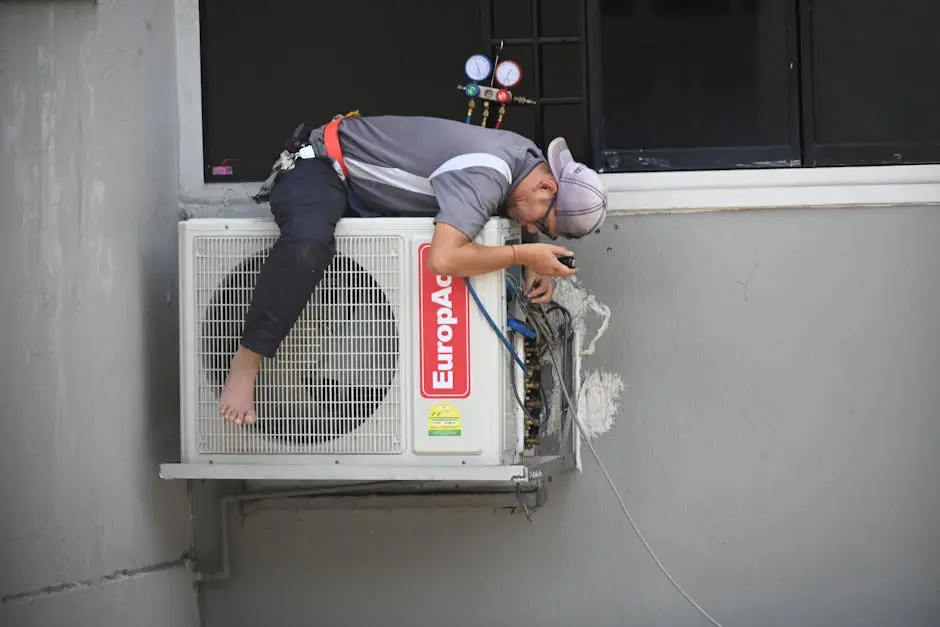
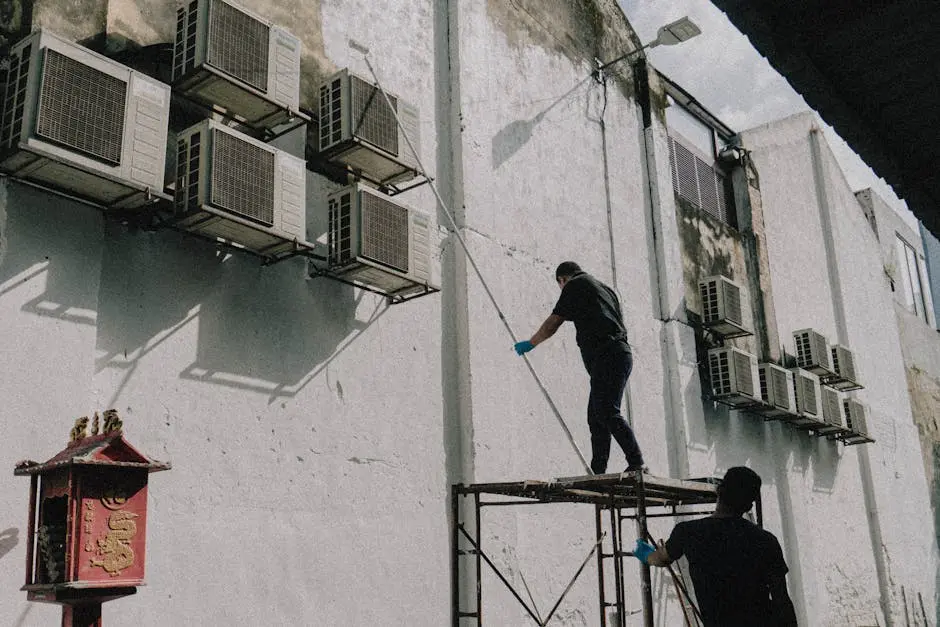
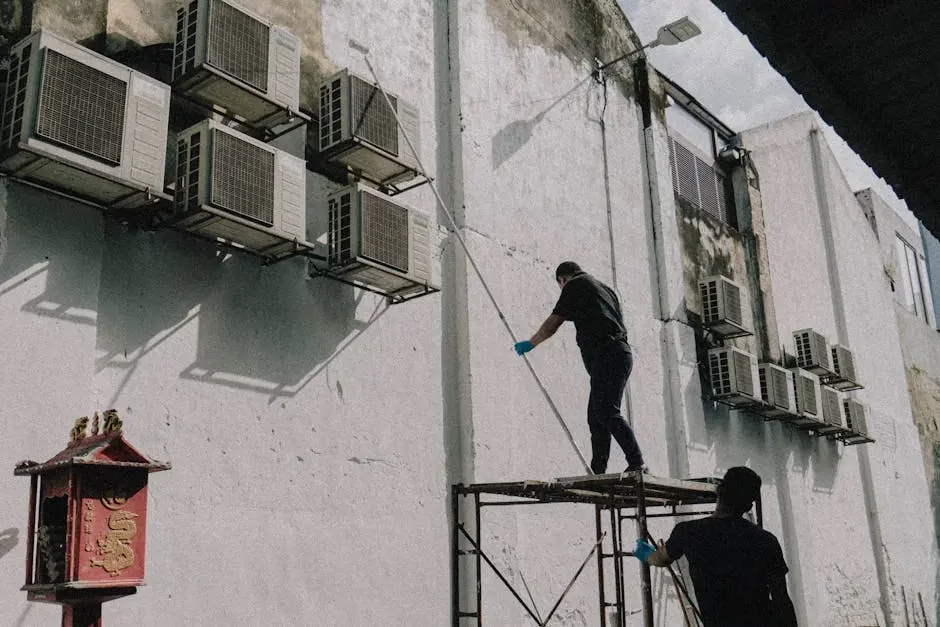
Two workers on scaffold maintain air conditioning units attached to a building, displaying urban upkeep.

Understanding the Basics of System Evaluation

System evaluation is the process of assessing the operational performance of cooling equipment. It involves checking various components such as compressors, refrigerants, and temperature controls to identify potential issues.

Evaluating a cooling system may seem daunting, but it’s a straightforward process. By breaking it down into manageable steps, you can ensure that every crucial element is examined. Think of it as a health check for your system—just like you would see a doctor for regular check-ups, your cooling system needs its check-ups too.

Understanding how your cooling system works is fundamental. Most systems operate on simple principles of thermodynamics, yet many users overlook key aspects that could affect performance. Familiarizing yourself with the system’s mechanics can empower you to recognize when something is off and prompt an evaluation sooner rather than later.

The Benefits of Regular Evaluations

Frequent evaluations lead to improved efficiency, as they help spot inefficiencies before they become costly problems. They also help in maintaining optimal temperatures, reducing energy consumption, and ensuring a longer lifespan of the equipment.

Beyond efficiency, regular evaluations help in keeping utility bills in check. When your system operates at peak performance, it doesn’t work as hard to achieve desired cooling—all of which translates to lower energy costs. Moreover, many people are unaware that a simple tune-up can lead to significant savings over time.

Regular assessments also lead to peace of mind. Knowing that your cooling system is functioning optimally alleviates stress during peak heat periods. You can relax knowing that even on the hottest days, your system is ready to provide comfort without the risk of breakdown.

Over time, consistent evaluations create a maintenance history that can be invaluable when faced with unexpected repairs or replacements. This history not only helps technicians diagnose issues quicker but also informs personal decisions regarding repairs versus replacements.

Common Problems Identified During System Evaluations

From refrigerant leaks to dirty filters, various issues can hinder the performance of a cooling system. Regular evaluations can identify these problems early, allowing for timely interventions.

One of the most frequent culprits is a dirty air filter, which can obstruct airflow and reduce efficiency. During evaluations, this simple check can save substantial energy and costs. Noticing it early means you can swap it out and avoid a host of performance issues.

Moreover, unnoticed refrigerant leaks can not only cause your system to work harder but also pose environmental hazards. Identifying these leaks during evaluations is critical, as it allows for prompt repairs, thus safeguarding both your investment and the environment.

Lastly, strange noises or unusual smells can indicate underlying problems that may not be immediately visible. Evaluations can help unravel these mysteries, ensuring your cooling system operates quietly and efficiently, giving you a hassle-free environment.

How to Conduct an Effective System Evaluation

Conducting an evaluation involves checking system settings, inspecting equipment, and testing performance metrics. It’s crucial to follow a systematic approach to ensure nothing is overlooked.

Begin your evaluation by ensuring all settings align with the manufacturer’s guidelines. Any discrepancies here can lead to inefficiencies. Next, a physical inspection of the cooling unit itself should follow—checking for signs of wear and tear can predict future failures and facilitate preemptive maintenance.

Don’t forget to test your system’s output too. This includes measuring temperature and humidity levels to guarantee they are within desired limits. Using a thermometer or hygrometer might seem trivial, but these tools can provide insights into potential issues.

Additionally, documenting each evaluation helps maintain an ongoing history of your system’s performance. Not only does this help track improvements or recurring problems, but it also serves as a vital resource for professionals should you need assistance.

When to Schedule Your Evaluations

Timing is key for system evaluations. Ideally, they should be performed at the beginning of the cooling season or after significant repairs, ensuring the system is prepared for heavy usage.

Interval evaluations can also be useful. If you notice inconsistent cooling or fluctuating energy bills, don’t wait for the season to change. Scouting for irregularities early can facilitate repair before they escalate into bigger issues.

Lastly, don’t forget to have a post-season evaluation as well. This will not only help in identifying any last-minute issues but also prepare the system for a break before the next season comes rolling in. Just as we prepare for winter maintenance, ensuring your cooling system is given a proper end-of-season assessment can extend its operational life.

DIY Evaluations vs. Professional Help

While some aspects of system evaluation can be done by homeowners, others require a professional touch. Understanding which tasks to tackle yourself can save money and ensure safety.

For simple tasks like changing air filters or checking thermostat settings, DIY is often sufficient. These tasks can be handled easily without extensive knowledge, thus empowering homeowners to maintain their cooling systems with minimal effort.

However, when it comes to more technical evaluations, especially those requiring a deeper understanding of the system’s mechanics or potential repairs, calling in a professional may be the safest bet. They not only bring expertise but also tools that are essential for thorough assessments.

Ultimately, successful system evaluations blend DIY tasks with professional insight. Embracing both methods can provide a comprehensive evaluation that keeps your cooling systems running smoothly all year round.

Summing Up the Importance of System Evaluation

Regular system evaluations not only enhance the performance of cooling systems but also prolong their lifespan and save energy costs. By making evaluations a routine practice, we can ensure a comfortable and efficient environment for everyone.
15 Simple Steps to Ensure Affordable Comfort with Your A/C System

Keeping your home cool doesn’t have to break the bank. With these simple tips, you can maximize your A/C system’s efficiency while enjoying affordable comfort all summer long.
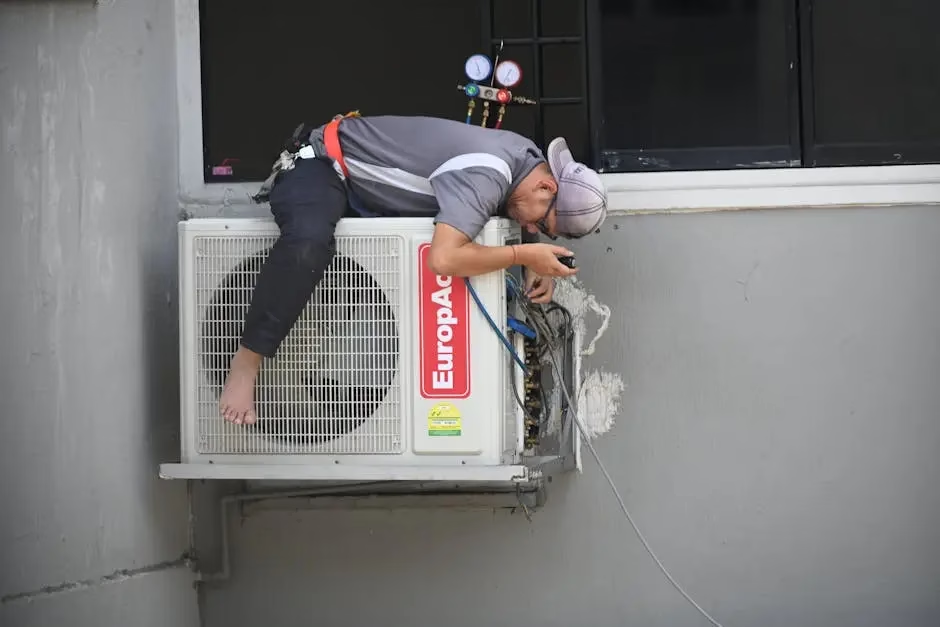
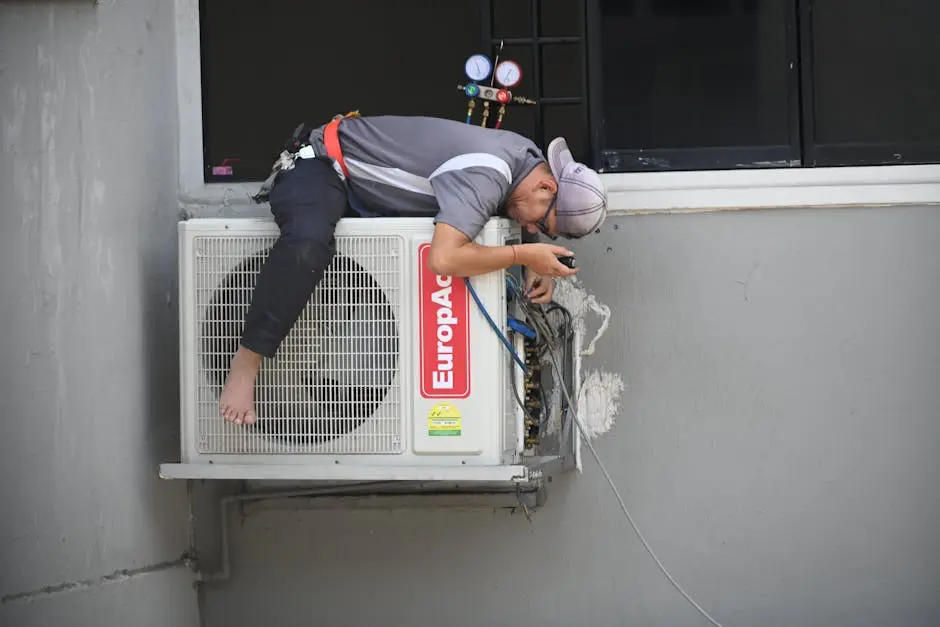
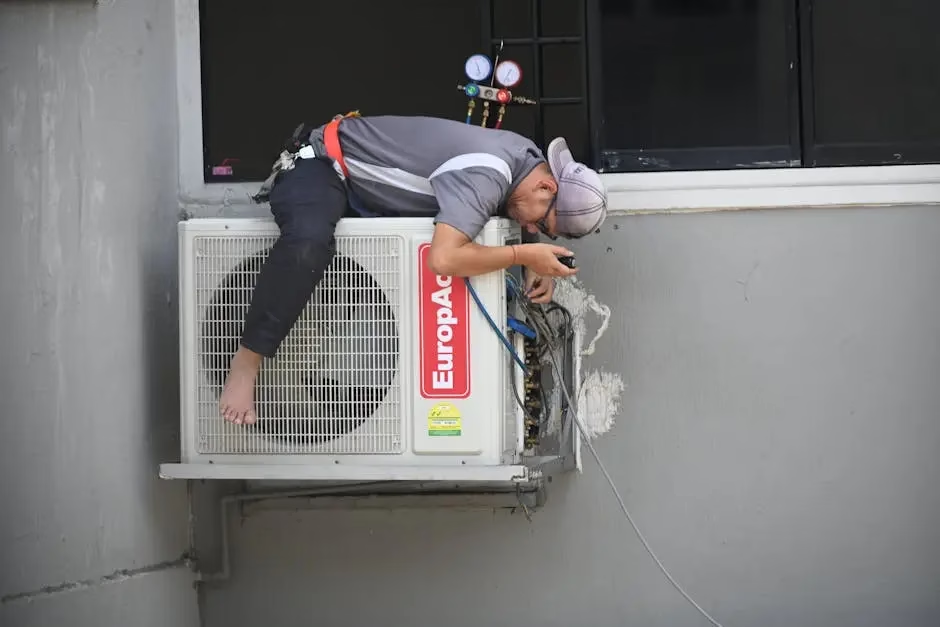
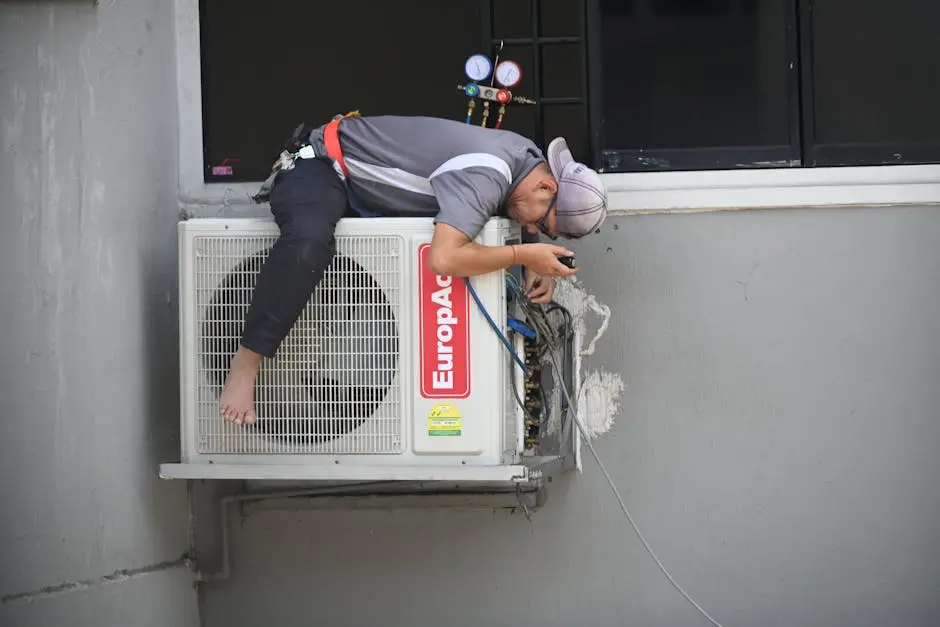
A technician skillfully repairing an outdoor air conditioning unit mounted on a building wall.

1. Understand Your A/C System

Getting to know your air conditioning system is the first step towards ensuring it operates at its best. It’s not just about cooling; understanding the components—the compressor, evaporator, and condenser—will help you appreciate how each part contributes to your indoor comfort.

For instance, the compressor works tirelessly to pump refrigerant through the system, facilitating heat exchange. This means that having a basic understanding will empower you to spot potential issues early. Not only does it help you be proactive about maintenance, but it also makes conversations with service technicians much smoother.

Finally, familiarize yourself with the owner’s manual. This resource is packed with valuable information specific to your unit and can guide you through troubleshooting common issues, making it your ally in the quest for efficiency.

2. Regularly Change the Air Filter

A clean air filter improves airflow and efficiency. Remember to check and replace it at least every three months. While this seems like an easy task to overlook, neglecting it can lead to unnecessary strain on your system.

Not only does a dirty filter restrict airflow, but it can also lead to higher energy costs and poorer indoor air quality. Thus, mark your calendar or set a reminder on your phone to make this part of your home maintenance routine. Trust me; your A/C will thank you!

3. Set the Ideal Thermostat Temperature

Keeping your thermostat at a consistent temperature that’s slightly higher than the maximum comfort level can save energy and money. Research suggests that maintaining your thermostat at 78°F is a sweet spot for both comfort and efficiency.

This simple adjustment can yield significant savings on your energy bills without sacrificing your comfort. Imagine walking into a home that’s not just cooler but also more budget-friendly. Plus, adjusting the thermostat by just a few degrees while you’re away can make a remarkable difference!

4. Utilize Programmable Thermostats

These gadgets allow you to set schedules that align with your lifestyle, helping you save on cooling when you’re not home. With a programmable thermostat, you can set it to raise the temperature when you’re away, and lower it just before you return, maximizing both comfort and cost savings.

Think of it as having a personal assistant dedicated to your comfort. As technology advances, these devices are becoming more intuitive, allowing you to control them via smartphone apps—how convenient is that?

5. Seal Your Home’s Ducts

Proper sealing of ducts can prevent cool air from escaping and drastically improve efficiency. Each gap or crack can result in cooled air being wasted, leading to higher energy bills and less efficient cooling.

Consider an inspection of your ductwork, especially if your home is older. Applying duct sealant or hiring a professional can help close off those leaks, ensuring that every bit of cooled air goes where it’s meant to. The payoff? A more comfortable home and lower energy costs.

6. Keep Vents Open and Unobstructed

Ensure that your A/C vents are not blocked by furniture or curtains, which can restrict airflow and reduce efficiency. Even minor obstructions can lead to significant drops in delivery of cool air, making your A/C work harder.

So, check your vents regularly, especially in those rooms that might seem cooler. Allowing for proper airflow helps maintain a more balanced temperature throughout your space, contributing to more affordable comfort overall.

7. Schedule Regular Professional Maintenance

Professional tune-ups can identify potential issues before they become costly repairs and ensure your A/C operates efficiently. Investing in regular maintenance is like getting a health check-up for your A/C system.

These professionals can clean internal components and check refrigerant levels, which is essential for optimal performance. It’s an ounce of prevention that can save you a pound of cure—well worth it when you consider the comfort it brings.

Moreover, many HVAC companies offer maintenance plans that can make this an easier option for homeowners. Look into what’s available in your area to ensure long-term affordability and comfort with your A/C system.

8. Use Fans to Circulate Air

Ceiling fans can help cool your home through airflow, allowing you to set your thermostat a few degrees higher without losing comfort. They work by creating a wind-chill effect, which can make you feel cooler even in warmer temperatures.

Plus, using fans in conjunction with your A/C system can significantly enhance its efficiency. So, don’t hesitate to take advantage of these mighty tools—just remember to turn them off when you leave a room to save energy.

9. Close Blinds During the Day

Blocking direct sunlight can significantly decrease your cooling load, enhancing comfort in your home. Simple actions, such as closing blinds or curtains during peak sunlight hours, can make an impressive difference in your indoor temperature.

Imagine coming home to a cool house versus walking into a sauna. Taking a few moments to draw the blinds not only protects your furniture from fading but also supports your energy efficiency efforts. It’s a win-win!

10. Inspect and Clean Outdoor Units

Keeping your outdoor condenser unit clear of debris ensures proper airflow and efficiency. Regularly inspect it for dirt, leaves, and other obstructions that can hamper performance.

A clean unit not only operates better but also lasts longer. By taking a few minutes to clear away the clutter, you’re actively extending the life of your investment and, ultimately, your affordable comfort.

11. Consider Upgrading to Energy-Efficient Models

If your A/C system is old, investing in a new, energy-efficient unit can drastically cut down on your energy bills. Modern systems are designed with advanced technology that maximizes cooling while minimizing energy consumption.

Although upfront costs might seem daunting, the long-term savings and benefits often outweigh the initial investment. You’ll enjoy a comfy living space alongside reduced energy costs, making it a smart decision for your wallet and the planet.

12. Monitor Humidity Levels

High humidity can make temperatures feel uncomfortable. Use dehumidifiers to aid in creating a more comfortable indoor environment. The right humidity level complements your A/C system’s efforts by ensuring you feel cooler even at higher temperatures.

Monitoring humidity is particularly important during summer months when moisture can become trapped indoors. Keeping humidity levels in check not only enhances your comfort but also prevents issues like mold growth. A healthier home is truly an affordable comfort!

13. Use a Programmable Timer

Setting a timer allows your A/C to turn on and off at specific times, which can enhance efficiency and comfort. A simple adjustment in how you manage your A/C can lead to energy savings and a more climate-comfortable environment.

This feature is especially useful for homeowners who follow a routine, ensuring you come home to a perfectly cooled space. Embrace technology to get the most from your A/C and enjoy that affordable comfort you deserve.

14. Educate Your Family

Make sure everyone in your household understands how to help maintain comfort and efficiency. Communication is key when fostering good habits, whether it’s agreeing on temperature settings or keeping vents clear.

Taking the time to educate your family about simple practices can change how your A/C system operates. Encourage everyone to conserve energy and practice habits that ensure affordable comfort during the hotter months.

15. Keep Up with Seasonal Changes

Adjusting settings and performing maintenance according to the season ensures optimal performance year-round. It’s like tuning a musical instrument; regular adjustments lead to harmonious living.

For instance, implementing a winter/summer maintenance routine can prepare your A/C for the peak seasons. Adapting to the seasons not only helps your unit run better but also reinforces the concept of affordable comfort—no matter the time of year.

Is A/C Tune-Up Needed for Affordable Comfort?

Maintaining a comfortable temperature in your home often involves more than just setting your thermostat. One crucial consideration is whether an A/C tune-up is necessary to achieve affordable comfort. In this blog, we’ll explore the importance of regular A/C maintenance, how it impacts your energy bills, and tips for deciding if it’s time for a tune-up.
A technician skillfully repairing an outdoor air conditioning unit mounted on a building wall.

Understanding A/C Tune-Ups

A/C tune-ups involve routine maintenance checks to ensure your air conditioning system operates efficiently. This section covers what a tune-up typically includes and why it’s essential.

Typically, an A/C tune-up includes several key components: a thorough inspection of all major parts, cleaning of critical components, and a check of the refrigerant levels. By engaging in these practices, your HVAC technician can catch minor issues before they spiral into costly repairs.

Moreover, understanding the intricate workings of your A/C can empower you as a homeowner. When you know what a tune-up entails, you also grasp how each aspect contributes to your system’s overall performance and longevity. It’s not just about keeping your house cool; it’s about maintaining a system that works efficiently for years.

Benefits of Regular Tune-Ups

Discussing the many benefits of regular A/C tune-ups, such as improved efficiency, lower energy bills, and extended equipment lifespan can illuminate why this maintenance is necessary.

Imagine slashing your energy bills with just one tune-up a year. When your A/C is running at peak efficiency, it uses significantly less energy to cool your home. In fact, some studies suggest that regular maintenance can improve your system’s efficiency by as much as 10% to 30%. That’s a substantial amount of savings!

Beyond just savings, keeping your A/C tuned up means you’re also extending its lifespan. Most units can last 10 to 15 years with proper care. However, neglecting regular tune-ups can lead to premature breakdowns, costing you not only in repairs but also in the need to invest in a new system.

In addition, tune-ups enhance indoor air quality. When your system receives regular attention, it means filters are changed, ducts cleaned, and allergens minimized. This translates to a healthier living environment, which is especially important for households with children, elderly relatives, or anyone with allergies.

Signs You Need a Tune-Up

Identifying signs that your A/C needs a tune-up can help you take action sooner. This section will highlight common indications such as unusual noises, reduced airflow, and higher energy costs.

Have you noticed your A/C making strange sounds? If your unit is clanging, buzzing, or grinding, it’s often a warning sign that something is amiss and requires immediate attention. Unusual noises may indicate loose parts or failing components, which can lead to costly repairs if not addressed promptly.

Another important sign is reduced airflow. If you find that certain rooms in your house aren’t getting as cool as they once did, this could indicate a blockage or a failing compressor. Addressing these issues sooner rather than later ensures your home remains comfortable without exorbitant energy costs.

Finally, keep an eye on your energy bills. If you see a sharp spike in costs during the cooling season, your A/C system may be overworking due to inefficiencies. Scheduling a tune-up can help pinpoint and eliminate these inefficiencies, ultimately leading to significant savings.

Cost vs. Comfort: Is It Worth It?

Analyzing the costs associated with A/C tune-ups compared to the comfort and savings benefits can assist homeowners in making an informed decision regarding their A/C maintenance.

Initially, the price of a tune-up may seem like an added expense. However, when you weigh this against the potential savings on energy bills and the avoidance of expensive repairs, the investment becomes quite clear. Many homeowners find that spending a couple of hundred dollars annually on maintenance can save thousands in utility bills and repairs over time.

Moreover, consider the intangible benefits: consistent, affordable comfort throughout the hot summer months. No one likes coming home to a sweltering house or dealing with a sudden breakdown in the middle of a heatwave. Investing in regular tune-ups makes the comfort and reliability of your system a priority.

In conclusion, the balance of cost versus comfort leans heavily towards the latter when routine A/C maintenance is prioritized. By taking proactive steps, you ensure not only an efficient cooling system but also a stress-free living environment.

Final Thoughts on A/C Tune-Ups for Comfort

Regular A/C tune-ups can be a game-changer for both comfort and savings. By ensuring your system is running efficiently, you can avoid costly repairs and enjoy a consistently affordable environment year-round.

10 Signs Your Air Conditioning’s Fan Motor Needs Attention

Keeping your air conditioning system running smoothly is essential, especially during those hot summer months. One of the key components that can make or break your AC’s performance is the fan motor. If you notice any irregularities, it may be time to pay attention. Here are ten signs that indicate your fan motor might need some TLC.
A technician skillfully repairing an outdoor air conditioning unit mounted on a building wall.

1. Unusual Noises From the Unit

If you start hearing strange sounds like grinding or squealing, it’s time to investigate your fan motor. These noises often signal that something is wrong, perhaps due to a mechanical issue like a worn bearing or a loose screw. Not only is this annoying for you and your family, but it can indicate a deeper problem that, if left unchecked, could lead to a complete failure of the fan motor. Ignoring these sounds won’t make them go away; it may only exacerbate the issue.

In fact, strange noises are often a cry for help from your air conditioning system. Think of it as your unit trying to communicate that it needs some extra care and attention. So, before you turn a deaf ear, check your AC’s manual for specifications about acceptable sounds. If the noise deviates from the norm, don’t hesitate to consult a professional.

2. Inconsistent Airflow

Noticeably reduced airflow may indicate that the fan motor isn’t operating at optimal efficiency. This inconsistency can leave certain areas of your home feeling stuffy, while others might feel surprisingly cold. It’s a frustrating experience, especially on scorching days when you rely on your air conditioning for comfort.

This issue deserves immediate attention, as insufficient airflow could lead to other complications—like frozen coils or a completely malfunctioning AC unit. If you’re checking the vents and feel like they’re not delivering air as they should, consider the possibility that your fan motor may be struggling. Regular checks can help identify these issues before they escalate, ensuring that your living space stays comfortable.

3. Frequent Circuit Breaker Trips

If your air conditioning unit keeps tripping the breaker, your fan motor could be drawing too much power. This situation is typically indicative of an electrical issue, possibly stemming from the fan motor. Continuous tripping can affect other appliances in your home and put undue stress on your electrical system.

When your unit starts tripping the breaker, it’s more than just an inconvenience. It indicates that the fan motor may be overworking itself, and it’s crucial to address this immediately. Consider consulting a technician who can inspect the wiring and motor for signs of distress, as well as recommend solutions to prevent future occurrences. You don’t want an AC malfunction to disrupt your daily comfort—take action before it leads to a more costly repair or replacement.

4. Overheating Unit

If your AC unit feels unusually hot, the fan motor may not be functioning properly. An overheating unit is a clear sign that something is amiss, and you should never ignore this red flag. Whether it’s due to a lack of lubrication or accumulated debris, failing to address the issue could result in damage to the entire system.

Keep in mind that an overheated fan motor can also lead to severe problems, including a complete shutdown. If you notice the unit is hot to the touch or exhibits other concerning behaviors, take action. Turn it off, let it cool down, and contact a professional to assess and resolve the issue before the heat turns into a costly damage report.

5. Increased Energy Bills

A spike in your utility bills can sometimes be traced back to a struggling fan motor. If you’ve noticed your bills rising without an increase in usage, it’s worth investigating. A fan motor that’s working harder than it should can consume significantly more energy, causing an unexpected financial burden. Remember, a well-operating AC unit should be energy-efficient, not leave you shocked by your monthly statements.

Before the next bill arrives, take a moment to perform a quick check. Look at the overall performance of your AC and listen for unusual sounds. If your air conditioning system requires more energy to cool your space, it isn’t just inconvenient—it’s often a sign that the fan motor is struggling. Assessing and addressing these issues promptly can save you money in the long run.

6. Visible Wear and Tear

Check for rust, corrosion, or physical damage to the motor itself. These signs can indicate that your fan motor is aging or hasn’t been properly maintained. Over time, even small issues can snowball into significant problems if left unchecked. Diligently inspecting the motor every few months can help you catch these issues early on and prolong your AC’s lifespan.

Keep in mind that visible wear isn’t just an aesthetic concern—it can directly impact the functionality of your unit. If you spot any rust or dust buildup around the motor, it’s time to take action. Cleaning and maintenance can help mitigate future issues, while proactive measures ensure your system runs smoothly for years to come. Taking a few moments to look for these signs could save you a serious headache later.

7. Poor Cooling Performance

If your AC is struggling to keep the space cool, the fan motor might be the culprit. A fan motor that’s not functioning efficiently won’t be able to distribute cool air properly—a recipe for discomfort during hot summer days. It’s incredibly frustrating when you turn on your AC only to find that it’s not delivering the relief you expect.

Remember, consistent warm air blowing from your vents is an indication that all is not well. This issue could stem from an unbalanced fan motor or one that is simply failing. Regularly checking the performance of your AC and its components can help you catch problems before they worsen. Ensure you schedule routine inspections to keep the cooling airflow consistent.

8. Burning Smell From the Unit

A burning smell often indicates overheating, which could be a sign of a failing fan motor. This is one of the most alarming signs and should never be ignored. If you detect an unusual scent, turn off your AC immediately and disconnect it from the power supply to prevent any potential fire hazards. Ignoring this warning can lead to catastrophic failures—not something anyone wants in their home.

A burning odor is often accompanied by a sense of urgency and the need for immediate professional assistance. Think of it as a cry from your AC to let you know it’s in trouble. If you leave the problem unaddressed, you risk far greater damage to the unit and your home. Always prioritize safety and don’t hesitate to call an expert if you notice this concerning odor.

9. Remote Control Issues

If your remote control isn’t communicating with the unit correctly, it might be due to fan motor issues. This might seem trivial, but it can be incredibly frustrating, especially when all you want is to cool down. A malfunctioning fan motor can disrupt the functionality of your entire AC system, creating inconvenience and discomfort.

If you find that your remote is sending signals to your AC, yet nothing is happening, check if the batteries need replacing or if there’s a signal blockage. However, if everything appears to be in order, that could indicate an internal issue with the fan motor. It’s best to seek help from a professional technician who can identify the root cause and ensure your AC operates smoothly again.

10. Increased Vibration

Excessive vibration can mean that the fan motor is off-balance, needing immediate attention. Vibration is not only annoying, but it can also lead to wear on other components over time. It’s like a ripple in a pond; those small disturbances can escalate. A well-functioning fan motor should operate smoothly and quietly.

If you notice unusual shaking or noise, it’s crucial to assess the situation promptly. An unbalanced fan can put detrimental stress on your system, leading to more significant issues down the line. Schedule a professional inspection to determine the underlying cause of the vibration and prevent further complications. Taking these signs seriously will keep your air conditioning system running efficiently, allowing you to enjoy a cool, comfortable environment.

Transforming Your Air Conditioning System with Blown Insulation

Blown insulation is more than just a method for insulating your home; it’s a transformative solution that can enhance the performance of your air conditioning system. In this blog, we’ll explore how blown insulation works, its benefits, and how it can create a more comfortable and energy-efficient living environment. Let’s dive into how you can elevate your home with this innovative technique!
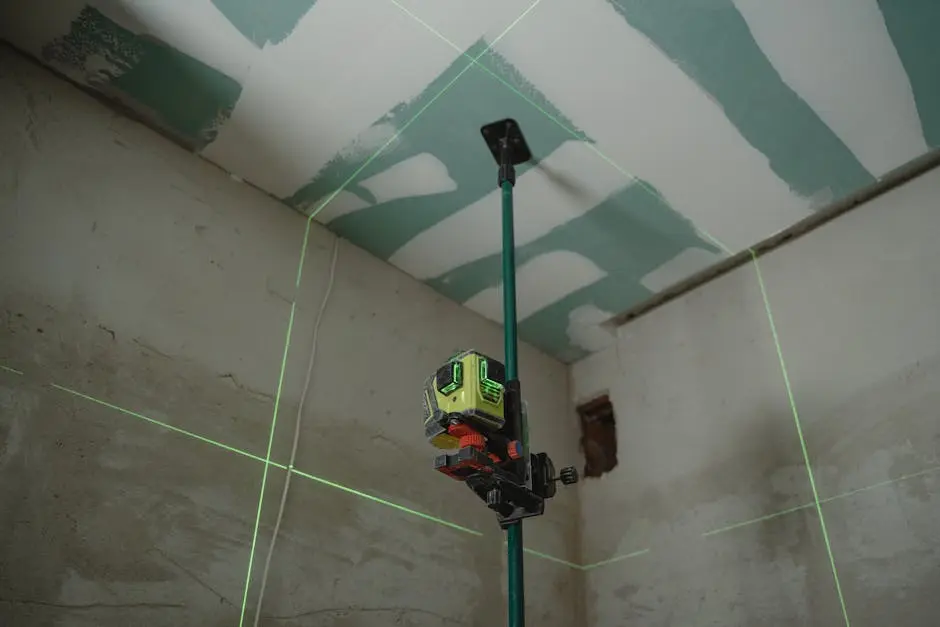
A laser level tool in action at an indoor construction site with marked walls.

Understanding Blown Insulation

Blown insulation is a type of insulation made from materials like fiberglass or cellulose that are blown into hard-to-reach spaces. This section will break down how blown insulation works, what it’s made from, and why it’s a favored option for homeowners.

To start, it’s essential to understand that blown insulation fills cavities and voids that traditional batts or rolls can’t easily reach. Think about those tricky corners in your attic or the spaces between walls—these areas are often where energy loss occurs. The blowing process allows for a snug fit that minimizes air leaks, making your home more energy-efficient. Whether you choose cellulose from recycled paper or fiberglass, both materials offer significant thermal resistance.

Moreover, blown insulation doesn’t just keep your home warm in winter; it also keeps it cool in the summer. This dual benefit means you’re not only enhancing your comfort but also saving on energy bills year-round. Understanding these dynamics is key to appreciating why many homeowners are opting for blown insulation today.

The Benefits of Blown Insulation for Air Conditioning

This section will discuss the key benefits of using blown insulation, specifically focusing on how it can improve the overall performance of your air conditioning system, reduce energy bills, and contribute to greater indoor comfort.

One of the standout advantages of blown insulation is its ability to enhance the performance of an air conditioning system. By filling gaps and voids, it helps maintain the desired temperature consistently throughout your home. That means your air conditioning unit won’t have to work as hard, leading to less wear and tear over time. This not only prolongs the lifespan of your unit but can also save you money on costly repairs.

Additionally, blown insulation contributes significantly to reducing energy costs. With proper insulation, you can expect lower energy bills, sometimes as much as 20-30%. Since it provides a more effective barrier against heat exchange, it keeps the conditioned air inside, preventing it from escaping. This efficiency translates to a more comfortably maintained environment, where you can enjoy consistent temperatures without worrying about fluctuating energy expenses. Overall, the benefits extend beyond comfort into financial savings that can stack up over the years.

Furthermore, blown insulation can also play a role in improving air quality. When properly installed, it helps to manage humidity levels, effectively reducing the chances of mold and mildew, which are not only detrimental to your health but can also damage your home. Keeping your indoor air clean is essential, and blown insulation supports this goal beautifully.

How to Install Blown Insulation

Installing blown insulation can be a straightforward process or a complex one, depending on your home’s setup. Here, we’ll provide a step-by-step guide on how to install blown insulation effectively, whether you choose to do it yourself or hire a professional.

First things first: safety is paramount. Before you begin, make sure to wear protective gear like gloves, goggles, and a mask, especially if you’re using cellulose insulation as it may contain dust particles. If you’re a DIY enthusiast, renting a blower machine from your local home improvement store is a great way to get started. You’ll want to ensure that the area is clean and free of any debris, providing an optimal environment for insulation.

Next, calculate the amount of insulation you’ll need based on the square footage of the area you’re working on. The machine will come with instructions, typically detailing how to effectively feed the insulation material. As you begin blowing the insulation into the space, keep an eye on the thickness to ensure proper application. A depth of around 10-14 inches is generally recommended for optimal thermal resistance.

If you’re not comfortable with a DIY installation, hiring a professional may be the best route. Pros come equipped with expertise and tools to assess your home’s insulation needs accurately. They can maximize the effectiveness of the installation, ensuring that all hard-to-reach areas receive adequate coverage. Regardless of which route you choose, the key to a successful insulation project lies in preparation and attention to detail.

Common Mistakes to Avoid

Even the simplest projects can go awry without the right knowledge. This section will highlight common pitfalls and mistakes homeowners make when installing blown insulation, helping you avoid these issues and ensure you achieve the best results.

One critical mistake is not measuring the necessary amount of insulation beforehand, which can lead to either wastage or insufficient coverage. Always err on the side of caution and calculate more than you think you’ll need. Additionally, it’s essential to pay attention to the proper depth during installation. Overfilling a space can lead to compression, reducing the insulation’s effectiveness.

Another common pitfall is neglecting to seal air leaks before installation. If there are existing drafts in your home, simply blowing insulation over them won’t solve the problem. Addressing air leaks first not only enhances insulation efficiency but also contributes to a more comfortable environment by preventing drafts.

Lastly, don’t underestimate the importance of proper ventilation. Just because you have insulation doesn’t mean the air quality in your home is automatically healthy. Make sure your attic and other insulated areas have adequate ventilation to circulate fresh air and reduce humidity, preventing potential mildew growth.

Maintaining Your Blown Insulation

Once your blown insulation is installed, it’s important to maintain it over time. Here, we’ll discuss maintenance tips to keep your insulation effective and your air conditioning system running smoothly.

First and foremost, regularly inspect your insulation for signs of settling or compression. While blown insulation is designed to stay in place, factors like moisture or pests can sometimes cause it to compact over time. If necessary, consider adding more insulation to ensure optimal performance.

In addition to inspection, keep an eye on your air conditioning system itself. Regularly clean and replace filters to ensure efficient airflow and lessen the strain on your AC unit. A well-maintained air conditioning system works in conjunction with quality insulation to provide the comfort you desire.

Lastly, consider scheduling professional evaluations. A technician can assess both your insulation and air conditioning system to ensure everything is functioning optimally. Regular check-ups not only prolong the life of your equipment but also contribute to maximum energy savings, making it a win-win scenario for your home.

Embrace the Efficiency of Blown Insulation

Incorporating blown insulation into your home can significantly enhance your air conditioning system’s efficiency and longevity. Not only does it create a more comfortable atmosphere, but it also contributes to energy savings in the long run. If you’re looking to make a smart investment in your home, blown insulation is definitely worth considering.

15 HVAC Inspection Facts Every Homeowner Should Know

When it comes to maintaining a comfortable home, understanding your HVAC system is essential. A regular inspection can save you money, improve efficiency, and extend the life of your system. Here are some vital facts every homeowner should know about HVAC inspections that will help you make informed decisions about your home’s heating and cooling.
A technician skillfully repairing an outdoor air conditioning unit mounted on a building wall.

1. Understanding the Importance of HVAC Inspections

HVAC inspections play a crucial role in keeping your system running smoothly and efficiently. By regularly assessing the condition of your heating and cooling units, you can catch minor issues before they escalate into costly repairs. Moreover, understanding the importance of these inspections goes beyond just saving money; it’s about ensuring comfort and safety in your home.

One of the key reasons homeowners should prioritize HVAC inspections is that they enhance energy efficiency. An optimally functioning HVAC system uses less energy, which can significantly lower your utility bills. Neglecting this aspect can lead to higher energy consumption and ultimately, a larger carbon footprint. It’s time to think of inspections as an investment towards long-term savings and environmental stewardship.

2. Signs Your HVAC System Needs an Inspection

Learn the warning signs that indicate it’s time for a professional inspection. Are you experiencing uneven temperatures across rooms or increased energy bills despite consistent usage? These discrepancies can often signal underlying issues requiring expert attention.

Other signs include strange noises, such as banging or rattling sounds coming from your system. These audible alerts are not to be ignored, as they can signify mechanical failures or loose components. Additionally, if you notice unusual smells, such as burning or musty odors, it’s essential to act quickly as they could present serious health hazards.

3. What Happens During an HVAC Inspection

Discover the detailed steps that technicians take during an HVAC inspection to ensure your system’s health. The process typically begins with a thorough assessment of all components, including the thermostat, ductwork, and blower. Technicians will often check refrigerant levels and inspect wiring to ensure everything is functioning optimally.

After the initial assessment, they will clean important parts like filters and coils. This step is crucial because clean components work better, contributing to overall system efficiency. Depending on the age and type of your system, additional checks, including examining gas lines or electrical connections, might be necessary. Understanding this process helps you appreciate what you’re paying for and why it’s worth the investment.

4. Common HVAC Issues Found During Inspections

Knowing what issues are typically found can help you stay proactive about maintenance. For many homeowners, clogged filters and dirty coils are the most common culprits behind inefficient systems. These problems can lead to reduced airflow and higher energy consumption.

Another frequent issue is refrigerant leaks. These can cause your system to underperform and can potentially harm the environment. During an HVAC inspection, technicians can identify these leaks and recommend the appropriate repair methods, ensuring your system runs as intended and does not cause further harm.

Lastly, worn-out components such as belts and bearings can go unnoticed without a proper inspection. These parts are vital for the seamless operation of your HVAC system, and replacing them in a timely manner can prevent complete system failures down the line.

5. Benefits of Regular HVAC Inspections

Regular inspections can lead to improved efficiency and lower energy costs. When your HVAC system is consistently checked, it ensures that all parts are working harmoniously, thus prolonging the system’s lifespan. Over time, this not only means greater comfort but also significant savings.

Moreover, these inspections enhance indoor air quality by identifying and eliminating contaminants. The importance of clean air in your home cannot be overstated, especially for those with allergies or respiratory issues. Regular HVAC maintenance truly plays a vital role in not just your system’s performance but also your family’s health.

6. Frequency of HVAC Inspections

How often should you have your HVAC system inspected? Let’s break it down. For most households, a professional inspection once a year is adequate. However, if you live in an area with extreme weather conditions, more frequent checks might be necessary.

In addition to these annual inspections, simple DIY checks on a seasonal basis can help maintain system efficiency. These can include checking filters and listening for unusual sounds. The goal is to create a habit that keeps your system in top condition year-round.

7. DIY HVAC System Checks You Can Do

Find out what you can safely check on your own to ensure your HVAC system is in good shape. To start, always check and change your air filters regularly. Clogged filters can significantly diminish your system’s efficiency. A good rule of thumb is to replace them every 1-3 months, particularly during high usage seasons.

Next, inspect visible ductwork for any signs of leaks or damage. Sealing these gaps can help improve airflow and save energy. Additionally, clear debris from around your outdoor unit, ensuring it has plenty of space to breathe. These simple checks can make a significant difference in system performance.

8. Choosing the Right HVAC Inspector

Tips for selecting a qualified inspector who will give you a thorough evaluation. Start by looking for licensed professionals with solid reviews. Word-of-mouth referrals can be invaluable, as satisfied customers often lead you to trustworthy inspectors.

Once you have a shortlist, inquire about their inspection procedures and how they handle repairs. A quality technician will not only perform the inspection but also provide you with a detailed report of their findings and suggestions for any necessary improvements. This transparency is a sign of a reliable service.

9. Understanding HVAC System Ratings

Learn about the different ratings and what they mean for your system’s performance. One key rating is the Seasonal Energy Efficiency Ratio (SEER). A higher SEER rating indicates a more efficient unit, which can lead to substantial energy savings over time.

Similarly, look for the Energy Star label, which ensures that the unit meets strict efficiency guidelines set by the U.S. Environmental Protection Agency. Understanding these ratings can guide you in making informed choices when purchasing or upgrading your HVAC system.

10. The Role of Filters in HVAC Systems

Why changing your filters regularly is crucial for a healthy HVAC system. Filters trap dust, dirt, and allergens, preventing them from circulating throughout your home. Over time, if these filters are not replaced, they can become clogged, forcing your system to work harder and leading to decreased efficiency.

Not only does this elevated workload increase energy bills, but it can also reduce the lifespan of your system. A simple practice of changing filters every couple of months can ensure optimal airflow, improved air quality, and a more efficient system overall.

11. The Environmental Impact of HVAC Systems

How proper maintenance and inspections can lead to a more eco-friendly system. An inefficient HVAC system does not only use more energy, but it also contributes to increased greenhouse gas emissions. By ensuring your system is well-maintained, you contribute to a greener environment.

Inspections help identify areas where improvements can be made, such as sealing duct leaks or optimizing refrigerant levels. These steps not only promote efficiency but also decrease your system’s environmental footprint, providing a win-win situation for both you and the planet.

12. What to Expect After an HVAC Inspection

Understanding the inspector’s report and what steps to take next for your system. After an inspection, you will receive a comprehensive report detailing the condition of your HVAC system. This document serves as a roadmap for any necessary repairs or adjustments.

Don’t hesitate to ask your inspector questions about their findings. Understanding what needs attention can help you prioritize upgrades or repairs, saving you from larger problems in the future. A proactive approach is key to maintaining a comfortable home.

13. Cost Considerations for HVAC Inspections

A breakdown of what to expect in terms of costs for an HVAC inspection. On average, homeowners can expect to pay between (75 to )200 for a standard inspection, depending on the size of the system and the complexity of the services provided.

While this expense may seem significant, remember that it pales in comparison to the potential costs of major repairs due to neglected maintenance. Essentially, investing in regular inspections can lead to savings in the long run, making it a wise decision for any homeowner.

14. Seasonal HVAC Maintenance Tips

Practical tips for maintaining your HVAC system throughout the year. As seasons change, so should your maintenance routine. For example, during fall, be sure to clean your outdoor unit and check the heater settings in preparation for cooler months.

In spring, focus on the cooling system—replace filters and clear debris from around the condenser. Keeping these systems in mind not only ensures comfort year-round but also extends the life of your HVAC system, providing ongoing benefits.

15. The Future of HVAC Technology

Stay ahead of the curve by learning about the latest trends in HVAC technology. Innovations like smart thermostats and energy-efficient heat pumps are revolutionizing how homeowners manage their heating and cooling. These technologies not only promote convenience but also contribute to energy savings.

As the field evolves, it’s important to stay informed about the advancements that could benefit your home. By understanding what’s available, you can make informed decisions about upgrades that improve your comfort and reduce your environmental impact.

7 Key Steps in an HVAC Inspection for a Cooler Home

Maintaining your home’s HVAC system is crucial for comfort, efficiency, and air quality. An inspection might sound overwhelming, but breaking it down into steps can make the process much easier. Here’s a friendly guide to the key steps involved in an HVAC inspection that can help keep your home cool and cozy all year round.
Two men measuring dimensions of a room with white walls and door, planning an interior renovation.

1. Checking the Air Filter

The first step in an HVAC inspection is to check the air filter. A clean filter can significantly improve airflow and efficiency, while a dirty one can cause your system to work harder than necessary. This simple check can prevent a host of issues, including increased energy bills and a shortened lifespan for your unit.

Regularly replacing or cleaning your air filter, ideally every three months, ensures that allergens and dust don’t circulate throughout your home. It’s a small task that can make a big difference in your indoor air quality. Keep in mind that different types of filters have different maintenance schedules, so check the manufacturer’s guidelines for your specific filter type.

2. Examining the Thermostat

Next, it’s important to examine your thermostat settings. Ensure that it’s functioning correctly and calibrated to give you the temperature control you need for optimal comfort. An improperly set thermostat can affect how effectively your HVAC system cools your home.

Consider upgrading to a smart thermostat if you haven’t already. These devices can learn your schedule, adjusting the temperature automatically to enhance efficiency and comfort. Don’t forget to check the batteries as well; a dead battery can lead to a total malfunction!

3. Inspecting the Ductwork

A thorough inspection of your ductwork for leaks or blockages is essential. Properly sealed ducts ensure that cool air reaches every room without unnecessary energy loss. Over time, ducts can develop leaks or become obstructed due to debris, leading to uneven cooling throughout the house.

Consider having a professional conduct a duct inspection if you suspect that yours may be in poor condition. They can use various techniques, including thermal imaging, to identify problem areas. Fixing duct issues can greatly enhance system efficiency and your home’s comfort level.

4. Cleaning the Condenser Unit

Don’t forget to clean the condenser unit situated outside. Removing debris and dirt from around the unit will improve its efficiency and prolong its lifespan. This unit is responsible for expelling heat from your home, and any obstruction can hamper its performance.

Regular cleaning is vital. Use a soft brush or a gentle hose spray to clear away dirt while being careful not to damage the fins. Maintaining this area can prevent overheating and ensure that your system runs as smoothly as possible.

5. Assessing the Refrigerant Levels

Checking refrigerant levels is another crucial step. Low refrigerant can indicate a leak and can significantly affect the cooling performance of your system. If your HVAC system seems less effective or requires frequent cycling, this could be a red flag.

Only professionals should handle refrigerant issues since it requires specific tools and knowledge. If you find refrigerant levels low, call in an expert; they can locate leaks and recharge your system as necessary. It’s not just about performance; proper refrigerant levels are vital for your safety and the environment.

6. Looking for Electrical Issues

While it’s less common, it’s important to look for electrical issues. Ensure all connections are tight and that no wires are damaged to prevent potential hazards. Undetected electrical problems can lead to system failure or even pose safety risks.

If you’re not comfortable assessing the electrical components, don’t hesitate to seek help from a qualified technician. They can spot issues that may not be readily apparent to the untrained eye, allowing you to avoid future headaches and ensure your HVAC system operates efficiently.

7. Testing System Performance

Finally, it’s time to test the overall performance of your HVAC system. Run it through its cooling cycles to ensure it operates efficiently and that air is being distributed evenly throughout your home. This final check can help you identify any lingering issues that may not have been addressed in previous steps.

Pay attention to how quickly your home cools down and whether there are any noticeable hot or cold spots. If you detect inconsistencies, it’s worthwhile to investigate further or consult a professional. Understanding how your system performs is key to maintaining a comfortable and energy-efficient home.

How Blown Insulation Can Enhance Your Home’s Comfort

If you’re looking for a way to improve your home’s comfort while also saving on energy costs, blown insulation might be the perfect solution. With its ability to fill gaps and create a seamless barrier against the elements, it’s a game changer for homeowners. In this blog post, we’ll explore what blown insulation is, how it works, and its benefits.
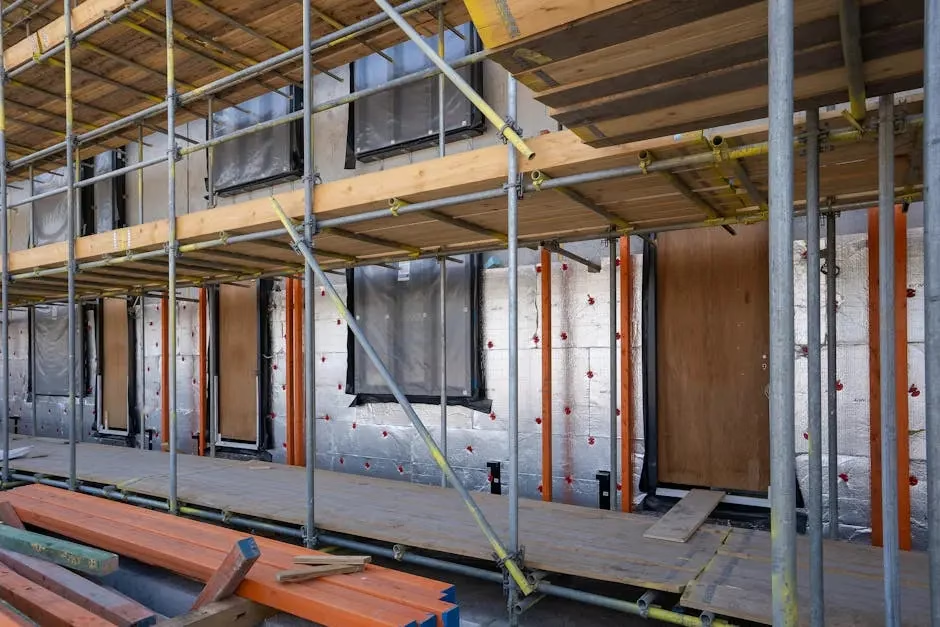
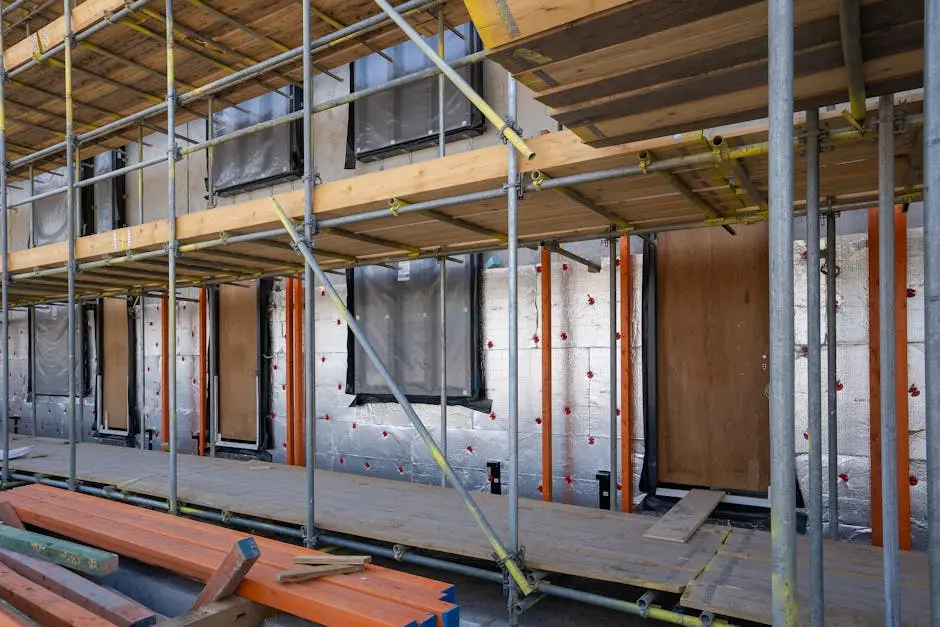
Scaffolding at a residential building under construction with windows and insulation sheets visible.

What is Blown Insulation?

Blown insulation is a type of insulation made from various materials, typically cellulose or fiberglass, which is blown into spaces within your walls or attic. This method allows for better coverage in hard-to-reach areas and minimizes thermal bridging, ensuring your home remains energy efficient.

But what exactly does that mean for you as a homeowner? Simply put, blown insulation fills every nook and cranny, creating an airtight barrier that combats heat loss in the winter and keeps your home cool during the sweltering summer months. Its effectiveness lies in its ability to mold itself to the unique contours of your home, making it an exceptional option for retrofitting existing structures.

Furthermore, it’s often made from recycled materials, making it an environmentally friendly choice. Homeowners can feel good not just about improving comfort, but also about their impact on the planet. So, when you think about upgrading your insulation, consider how blown insulation combines efficiency with eco-consciousness.

How Blown Insulation Works

The process of installing blown insulation involves using a special machine that breaks down the insulation material and blows it into the desired areas. This creates a thick barrier that seals air leaks, ensuring that your home retains heat in the winter and remains cool in the summer. It’s not just about filling space—it’s about precision and effectiveness.

Once the insulation is blown in, its lightweight nature allows it to settle evenly, expanding to fill gaps and prevent drafts. Homeowners often remark on the immediate difference they feel after installation, describing drafty areas that seem to vanish overnight. This swift enhancement to comfort is part of what makes blown insulation such a popular choice.

Moreover, the installation is relatively quick compared to traditional insulation types, minimizing disruption to your everyday life. Professionals can complete the job effectively within a few hours to a day, depending on the size of your home. This means you can enjoy a cozier space without long waits or extensive renovations.

Benefits of Blown Insulation

Using blown insulation can greatly enhance your home’s comfort. It not only helps to regulate temperature but also reduces noise transfer between rooms. This can lead to a more peaceful living environment, especially in homes with multiple stories or open floor plans that magnify sound.

Additionally, it can contribute to energy savings, as less energy is needed to heat or cool your home. Imagine slashing those high energy bills simply by making one smart upgrade! The potential for lower utility costs not only helps your wallet but also reduces your carbon footprint.

Another noteworthy advantage is that blown insulation can improve indoor air quality. By sealing air leaks, it prevents allergens and pollutants from entering your home, fostering a healthier living environment for you and your family. It’s a holistic approach to comfort that transcends just temperature control.

Cost-Effectiveness and Why It Matters

While the initial investment in blown insulation can vary, the long-term savings on your energy bills often outweigh the costs. Homeowners can expect a return on investment through decreased utility costs and increased home value. It’s about spending wisely to benefit more in the long run, and blown insulation fits that bill perfectly.

Consider that during the winter months, homes without adequate insulation can lose significant heat, forcing heating systems to work overtime. Consequently, this results in inflated energy bills—something that can be avoided with a proper blown insulation installation. Thus, investing in blown insulation is like putting money in your savings account for every month of warm, cozy comfort.

Moreover, many local governments offer incentives or rebates for homeowners who choose energy-efficient upgrades, including blown insulation. These programs can greatly reduce your upfront costs, making it an even more appealing option. This not only helps your wallet but also encourages more homeowners to make energy-efficient decisions.

Considering Blown Insulation for Your Home

If you’re interested in blown insulation, it’s vital to consult with a professional to assess your specific needs. They can provide you with insights on the best materials and installation techniques tailored to your home’s design. Understanding your unique requirements can lead to a more efficient installation that maximizes the benefits.

Ask about the different blowing options available. For instance, cellulose is a popular choice due to its high R-value and eco-friendliness, while fiberglass is known for its durability and moisture resistance. Each has its merits, and a qualified consultant can help you choose the right fit for your comfort levels.

Finally, remember that blown insulation isn’t just a one-time fix but part of an ongoing commitment to maintaining your home. Regular inspections and updates are essential to ensure continued energy efficiency and comfort. By taking ownership of this process, you can create a beautiful space that feels as good as it looks.

Final Thoughts on Blown Insulation

Blown insulation offers an effective and efficient way to improve your home’s comfort levels, reduce energy bills, and create a healthier living environment. By understanding its benefits and implementation, you can make an informed decision about whether it’s the right choice for you.

Why is Checking the Outdoor Disconnect Important for A/C Maintenance?

In the world of air conditioning maintenance, one often overlooked component is the outdoor disconnect. This vital switch plays a critical role in both safety and efficiency. Let’s explore why checking it regularly is so important for your A/C system’s health.
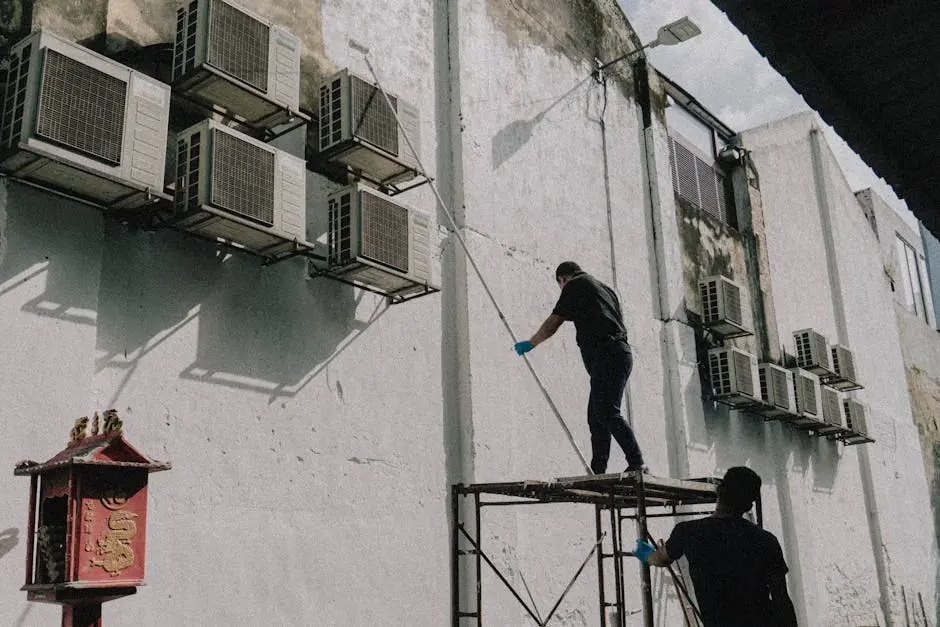
Two workers on scaffold maintain air conditioning units attached to a building, displaying urban upkeep.

Understanding the Outdoor Disconnect

The outdoor disconnect is a safety mechanism that cuts off power to your A/C unit during maintenance. Knowing its function helps to appreciate why it should be checked regularly.

This switch not only provides an easy way to shut off power when servicing the unit, but it also prevents accidents that can occur if someone unknowingly works on a live A/C system.

By familiarizing yourself with the outdoor disconnect, you’ll realize its importance in not just protecting your equipment, but also ensuring the safety of anyone who may be working on or near the unit.

When it comes to A/C maintenance, understanding these finer details can make all the difference in preventative care.

Safety First: Protecting Yourself and Others

Checking the outdoor disconnect enhances safety during A/C maintenance by ensuring that no power is running to the unit when repairs are made.

Imagine a technician working on a unit only to be startled by the unexpected activation of the system. This not only jeopardizes their safety but can lead to significant equipment damage.

To mitigate these risks, regular inspections to ensure the outdoor disconnect is functioning properly become paramount. It’s about more than just keeping your equipment safe; it’s about protecting lives.

A functional outdoor disconnect serves as a crucial safeguard, preventing unintended electrical hazards that can arise if this switch fails.

Preventing Equipment Damage

A malfunctioning outdoor disconnect can lead to damage in your A/C system. Regular checks help in identifying potential issues before they escalate.

If the outdoor disconnect fails, it could leave power to the A/C unit when it needs to be shut off for repairs, causing serious strain on the system and leading to costly repairs.

In addition, running an A/C unit with a faulty disconnect may cause damage to internal components, drastically reducing the lifespan of your system.

Therefore, it makes financial sense to include this small but powerful switch in your regular A/C maintenance routine. It’s a proactive measure that can save you big in the long run.

Enhancing A/C Efficiency

A properly functioning outdoor disconnect contributes to the overall efficiency of your A/C system, ensuring optimal performance and energy consumption.

When the disconnect works effectively, it prevents the A/C from running when it should be off, thereby reducing unnecessary energy use and your utility bills.

In contrast, a malfunctioning disconnect can lead to inefficiencies that not only increase your energy costs but can also result in an uncomfortable indoor environment.

Regular maintenance checks provide an opportunity to ensure your outdoor disconnect is performing its role well, thus contributing to a more efficient and cost-effective A/C operation.

When to Schedule Your Check-Ups

It’s recommended to check the outdoor disconnect during regular A/C maintenance visits, ideally at the start of the cooling season.

Scheduling a dedicated check-up every spring allows you to address any issues before peak usage months, ensuring your system runs smoothly when you need it most.

Additionally, if you notice signs of an electrical problem, don’t wait for your scheduled maintenance. It’s best to check the outdoor disconnect sooner.

Make this a habit, and you’ll enjoy the peace of mind that comes with knowing your A/C system is in great shape.

Wrapping Up: The Importance of A Regular Check

Regularly checking the outdoor disconnect can help avoid costly repairs and ensure your A/C operates efficiently. It not only protects your equipment but also enhances safety for your home. Don’t overlook this small but essential aspect of A/C maintenance.

15 Signs It’s Time for an A/C System Evaluation

Keeping your home comfortable during the hot months is a priority, but how do you know when it’s time to give your air conditioning system some extra attention? Look for these key signs that signal a need for an A/C system evaluation. Staying ahead of these issues can ensure your system runs efficiently and effectively.
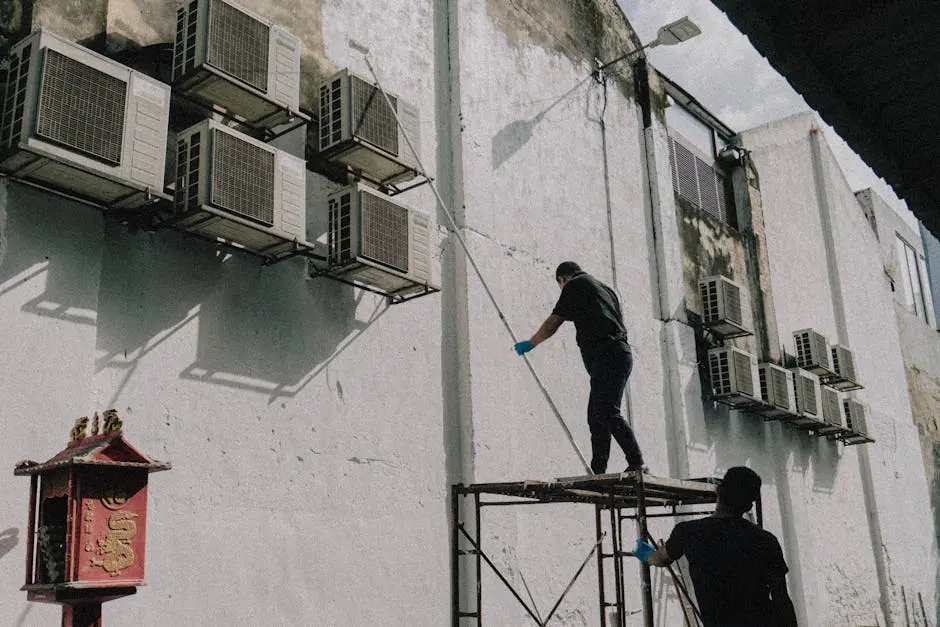
Two workers on scaffold maintain air conditioning units attached to a building, displaying urban upkeep.

1. Unusual Sounds Coming from Your A/C

If your air conditioning unit is making strange noises like clanking or rattling, it may indicate a mechanical issue that warrants further inspection. Pay particular attention to any sounds that seem out of the ordinary, such as hissing, buzzing, or clicking. These can be signs of loose components or failing motors that need immediate attention.

Moreover, ignoring these unusual sounds can lead to more severe damage and ultimately put a larger dent in your wallet. The earlier you address these warning signals, the better off your A/C system will be. Listening closely and acting on your findings can save you considerable hassle down the road.

2. Poor Airflow Throughout Your Home

Inconsistent airflow can suggest a blockage or a problem within the ductwork. It’s essential to troubleshoot this to maintain optimal cooling. If you find that some rooms are freezing while others feel warm and stuffy, you might be dealing with an issue that deserves immediate attention.

Additionally, restricted airflow can lead to a buildup of pressure within the A/C system. This not only reduces efficiency but can actually cause damage to the components over time. Scheduling an evaluation allows a trained professional to identify the root cause of poor airflow—be it a dirty filter, blocked ducts, or another underlying issue.

3. Constantly Running Without Cooling

If your A/C runs non-stop but fails to cool your home, it might be a sign of a refrigerant leak or an inefficient compressor that needs evaluation. A well-functioning unit should cool your space adequately without overexerting itself. If you find yourself adjusting the thermostat only to be met with lukewarm air, something is clearly amiss.

Moreover, a system that runs constantly not only erodes comfort but also drives up energy bills. By getting an evaluation, you’re investing in not just comfort but also energy efficiency. The sooner you address the issue, the sooner you can restore that cool comfort and lower energy costs.

4. Humidity Levels Are Uncomfortable

A properly functioning A/C system should reduce humidity levels. If your home feels sticky, it might need a thorough check-up. High humidity levels can lead to discomfort and serve as a breeding ground for mold and mildew, which could amplify health risks for you and your family.

Inadequate dehumidification may suggest that the A/C system is undersized or malfunctioning. Another factor could be improper ventilation, which is why an evaluation is crucial. Addressing high humidity not only restores comfort but also protects your home from long-term damage.

5. Unexpected Increase in Energy Bills

Dramatic spikes in energy costs may indicate that your system is working harder than it should be due to inefficiencies. If you’ve recently noticed a sharp increase in your utility bill, it’s worth investigating whether your A/C unit may be the culprit. Such increases often don’t go unnoticed for long.

Furthermore, the initial investment in an evaluation could save you significant amounts of money in the long run. Systems that operate inefficiently not only cost you more in energy bills but may also lead to premature component failure. It’s important to understand the balance between comfort and economical energy usage.

6. Foul Odors Coming from Vents

Unpleasant smells can indicate mold growth or burnt components, both of which require immediate evaluation to prevent further issues. What starts off as a mild odor can quickly escalate into a larger problem, affecting air quality and your overall comfort.

Moreover, some odors may signify dangerous conditions, such as an electrical issue or a refrigerant leak, necessitating prompt attention. If you catch scent variations, don’t ignore them; rather, schedule an evaluation to keep both your system and household safe.

7. Leaking Water Around the Unit

If you notice water puddles near your A/C unit, this could indicate a blocked drain line or a refrigerant leak, both warranting prompt attention. Water accumulation around your unit is not just a nuisance; it can cause significant damage to your property and lead to the development of mold.

Ignoring such a sign can lead to costly repairs or even system replacement. Regular evaluations ensure these potential problems are caught early, protecting your investment in both your home and your air conditioning system.

8. Age of the A/C Unit

If your air conditioning system is more than a decade old, it’s wise to have it evaluated regularly, as older systems often require more maintenance. An aging system is more prone to issues and less efficient, which could lead to higher bills and less comfort.

While a well-maintained unit can last longer, the odds are that it won’t operate as efficiently as a newer model. A comprehensive evaluation allows you to weigh your options—whether repairs or a replacement would be the more prudent choice as you consider the longevity of your investment.

9. Frequent Repairs Are Required

If you find yourself calling for repairs frequently, it’s time to consider an evaluation to assess whether a replacement is a more cost-effective solution. Each visit from a technician translates to costs that can accumulate quickly, potentially leading to the conclusion that your current system is no longer worth the money.

Moreover, an evaluation provides insight into the overall health of your system, allowing you to make informed decisions about your next steps. It’s always better to be proactive rather than reactive, ensuring that comfort is restored without breaking the bank.

10. Changes in Thermostat Settings

If your thermostat settings seem inconsistent or unresponsive, it might not be communicating effectively with the A/C system. These changes can lead to uncomfortable living conditions and increased energy costs, making it critical to address this as soon as possible.

When the system fails to react to your commands or struggles to maintain the desired temperature, you could be facing issues with wiring or defective thermostats. An evaluation will help diagnose the problem, restoring the seamless operation of your cooling system and ensuring you’re never left high and dry during the summer months.

11. Dust Accumulation in Your Home

Excessive dust may indicate a problem with the A/C filter or ductwork, which can affect the overall air quality in your home. If you find yourself dusting more frequently or experiencing respiratory issues, it might be time to get your system evaluated.

Not only does a buildup of dust lead to discomfort, but it can also impact the efficiency of your A/C unit, forcing it to work harder. Regular evaluations create a cleaner environment and promote better air quality, making them essential for a healthy home.

12. Inexperienced or Uncertified Technicians

If your A/C has been serviced without proper qualifications, it’s time for an evaluation by a certified technician to ensure everything is functioning correctly. Trusting your repair needs to individuals without credentials can lead to shoddy service and may even worsen existing problems.

A professional evaluation guarantees that any repairs are completed to the highest standards, providing peace of mind. Homeowners deserve transparent and effective service, and seeking qualified evaluation can make all the difference.

13. Inconsistent Temperatures Between Rooms

If some rooms feel cooler than others, duct issues or insulation problems could be affecting your system’s performance. Climbing temperatures from room to room may lead to a lack of comfort and even frustration, particularly in large homes.

A thorough evaluation can determine whether air leaks, blocked ducts, or poor insulation are at play. By rectifying these problems, you can ensure that every corner of your home remains comfortably cool during the sweltering summer days.

14. Outdoor Unit Shows Signs of Damage

Inspect your outdoor A/C unit for any visible damage; dents or rust can affect its efficiency and requires immediate evaluation. Whether it’s the result of weather conditions or foreign debris, damage can severely hinder the unit’s ability to function effectively.

The outdoor unit is often underappreciated, yet it plays a crucial role in cooling your entire home. Addressing outdoor damage can have a significant positive impact on your system’s overall efficiency and lifespan, so don’t hesitate to check on it frequently.

15. Regular Maintenance Checks Are Overdue

If it’s been far too long since your last maintenance check, don’t wait any longer; it’s likely time for a comprehensive system evaluation. Regular checks not only prolong the life of your A/C but also enhance its efficiency.

Delaying maintenance can lead to a host of problems that escalate quickly, ranging from minor to major issues. Scheduling a timely evaluation can help prevent surprises in the heat of summer, guaranteeing both comfort and peace of mind.