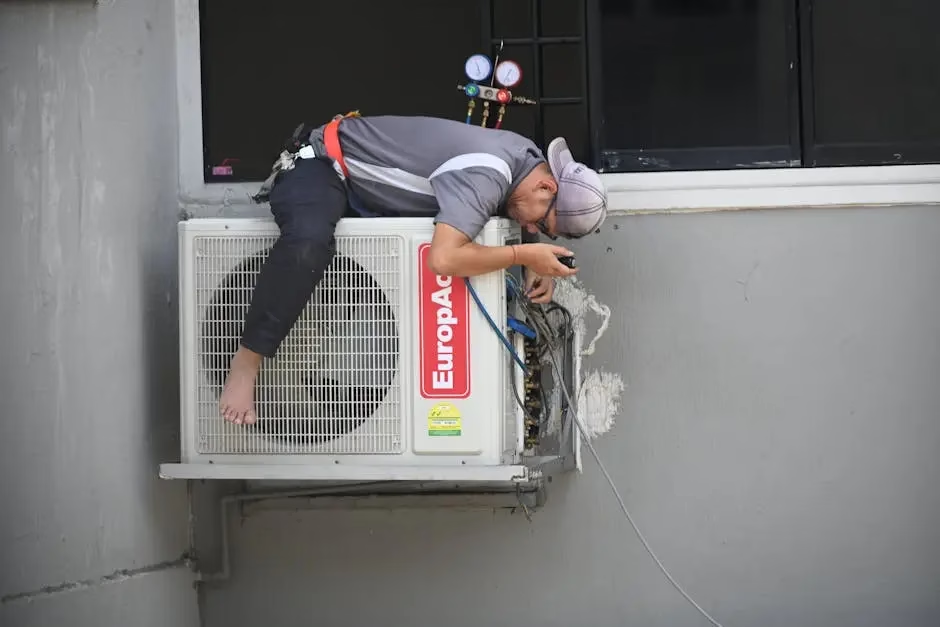
Keeping your air conditioning system running smoothly is essential, especially during those hot summer months. One of the key components that can make or break your AC’s performance is the fan motor. If you notice any irregularities, it may be time to pay attention. Here are ten signs that indicate your fan motor might need some TLC.
1. Unusual Noises From the Unit
If you start hearing strange sounds like grinding or squealing, it’s time to investigate your fan motor. These noises often signal that something is wrong, perhaps due to a mechanical issue like a worn bearing or a loose screw. Not only is this annoying for you and your family, but it can indicate a deeper problem that, if left unchecked, could lead to a complete failure of the fan motor. Ignoring these sounds won’t make them go away; it may only exacerbate the issue.
In fact, strange noises are often a cry for help from your air conditioning system. Think of it as your unit trying to communicate that it needs some extra care and attention. So, before you turn a deaf ear, check your AC’s manual for specifications about acceptable sounds. If the noise deviates from the norm, don’t hesitate to consult a professional.
2. Inconsistent Airflow
Noticeably reduced airflow may indicate that the fan motor isn’t operating at optimal efficiency. This inconsistency can leave certain areas of your home feeling stuffy, while others might feel surprisingly cold. It’s a frustrating experience, especially on scorching days when you rely on your air conditioning for comfort.
This issue deserves immediate attention, as insufficient airflow could lead to other complications—like frozen coils or a completely malfunctioning AC unit. If you’re checking the vents and feel like they’re not delivering air as they should, consider the possibility that your fan motor may be struggling. Regular checks can help identify these issues before they escalate, ensuring that your living space stays comfortable.
3. Frequent Circuit Breaker Trips
If your air conditioning unit keeps tripping the breaker, your fan motor could be drawing too much power. This situation is typically indicative of an electrical issue, possibly stemming from the fan motor. Continuous tripping can affect other appliances in your home and put undue stress on your electrical system.
When your unit starts tripping the breaker, it’s more than just an inconvenience. It indicates that the fan motor may be overworking itself, and it’s crucial to address this immediately. Consider consulting a technician who can inspect the wiring and motor for signs of distress, as well as recommend solutions to prevent future occurrences. You don’t want an AC malfunction to disrupt your daily comfort—take action before it leads to a more costly repair or replacement.
4. Overheating Unit
If your AC unit feels unusually hot, the fan motor may not be functioning properly. An overheating unit is a clear sign that something is amiss, and you should never ignore this red flag. Whether it’s due to a lack of lubrication or accumulated debris, failing to address the issue could result in damage to the entire system.
Keep in mind that an overheated fan motor can also lead to severe problems, including a complete shutdown. If you notice the unit is hot to the touch or exhibits other concerning behaviors, take action. Turn it off, let it cool down, and contact a professional to assess and resolve the issue before the heat turns into a costly damage report.
5. Increased Energy Bills
A spike in your utility bills can sometimes be traced back to a struggling fan motor. If you’ve noticed your bills rising without an increase in usage, it’s worth investigating. A fan motor that’s working harder than it should can consume significantly more energy, causing an unexpected financial burden. Remember, a well-operating AC unit should be energy-efficient, not leave you shocked by your monthly statements.
Before the next bill arrives, take a moment to perform a quick check. Look at the overall performance of your AC and listen for unusual sounds. If your air conditioning system requires more energy to cool your space, it isn’t just inconvenient—it’s often a sign that the fan motor is struggling. Assessing and addressing these issues promptly can save you money in the long run.
6. Visible Wear and Tear
Check for rust, corrosion, or physical damage to the motor itself. These signs can indicate that your fan motor is aging or hasn’t been properly maintained. Over time, even small issues can snowball into significant problems if left unchecked. Diligently inspecting the motor every few months can help you catch these issues early on and prolong your AC’s lifespan.
Keep in mind that visible wear isn’t just an aesthetic concern—it can directly impact the functionality of your unit. If you spot any rust or dust buildup around the motor, it’s time to take action. Cleaning and maintenance can help mitigate future issues, while proactive measures ensure your system runs smoothly for years to come. Taking a few moments to look for these signs could save you a serious headache later.
7. Poor Cooling Performance
If your AC is struggling to keep the space cool, the fan motor might be the culprit. A fan motor that’s not functioning efficiently won’t be able to distribute cool air properly—a recipe for discomfort during hot summer days. It’s incredibly frustrating when you turn on your AC only to find that it’s not delivering the relief you expect.
Remember, consistent warm air blowing from your vents is an indication that all is not well. This issue could stem from an unbalanced fan motor or one that is simply failing. Regularly checking the performance of your AC and its components can help you catch problems before they worsen. Ensure you schedule routine inspections to keep the cooling airflow consistent.
8. Burning Smell From the Unit
A burning smell often indicates overheating, which could be a sign of a failing fan motor. This is one of the most alarming signs and should never be ignored. If you detect an unusual scent, turn off your AC immediately and disconnect it from the power supply to prevent any potential fire hazards. Ignoring this warning can lead to catastrophic failures—not something anyone wants in their home.
A burning odor is often accompanied by a sense of urgency and the need for immediate professional assistance. Think of it as a cry from your AC to let you know it’s in trouble. If you leave the problem unaddressed, you risk far greater damage to the unit and your home. Always prioritize safety and don’t hesitate to call an expert if you notice this concerning odor.
9. Remote Control Issues
If your remote control isn’t communicating with the unit correctly, it might be due to fan motor issues. This might seem trivial, but it can be incredibly frustrating, especially when all you want is to cool down. A malfunctioning fan motor can disrupt the functionality of your entire AC system, creating inconvenience and discomfort.
If you find that your remote is sending signals to your AC, yet nothing is happening, check if the batteries need replacing or if there’s a signal blockage. However, if everything appears to be in order, that could indicate an internal issue with the fan motor. It’s best to seek help from a professional technician who can identify the root cause and ensure your AC operates smoothly again.
10. Increased Vibration
Excessive vibration can mean that the fan motor is off-balance, needing immediate attention. Vibration is not only annoying, but it can also lead to wear on other components over time. It’s like a ripple in a pond; those small disturbances can escalate. A well-functioning fan motor should operate smoothly and quietly.
If you notice unusual shaking or noise, it’s crucial to assess the situation promptly. An unbalanced fan can put detrimental stress on your system, leading to more significant issues down the line. Schedule a professional inspection to determine the underlying cause of the vibration and prevent further complications. Taking these signs seriously will keep your air conditioning system running efficiently, allowing you to enjoy a cool, comfortable environment.