When it comes to maintaining a comfortable home, understanding your HVAC system is essential. A regular inspection can save you money, improve efficiency, and extend the life of your system. Here are some vital facts every homeowner should know about HVAC inspections that will help you make informed decisions about your home’s heating and cooling.
1. Understanding the Importance of HVAC Inspections
HVAC inspections play a crucial role in keeping your system running smoothly and efficiently. By regularly assessing the condition of your heating and cooling units, you can catch minor issues before they escalate into costly repairs. Moreover, understanding the importance of these inspections goes beyond just saving money; it’s about ensuring comfort and safety in your home.
One of the key reasons homeowners should prioritize HVAC inspections is that they enhance energy efficiency. An optimally functioning HVAC system uses less energy, which can significantly lower your utility bills. Neglecting this aspect can lead to higher energy consumption and ultimately, a larger carbon footprint. It’s time to think of inspections as an investment towards long-term savings and environmental stewardship.
2. Signs Your HVAC System Needs an Inspection
Learn the warning signs that indicate it’s time for a professional inspection. Are you experiencing uneven temperatures across rooms or increased energy bills despite consistent usage? These discrepancies can often signal underlying issues requiring expert attention.
Other signs include strange noises, such as banging or rattling sounds coming from your system. These audible alerts are not to be ignored, as they can signify mechanical failures or loose components. Additionally, if you notice unusual smells, such as burning or musty odors, it’s essential to act quickly as they could present serious health hazards.
3. What Happens During an HVAC Inspection
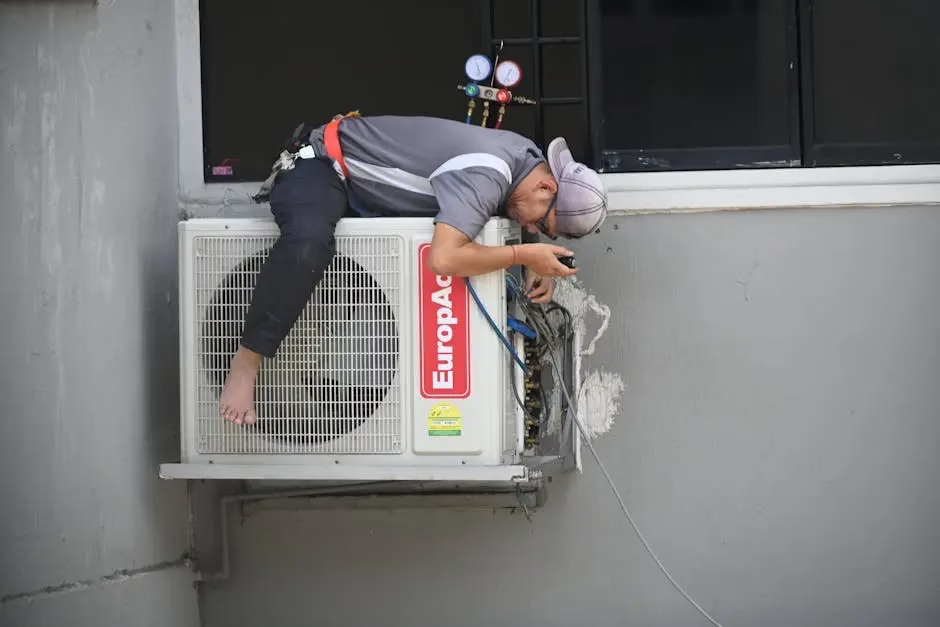
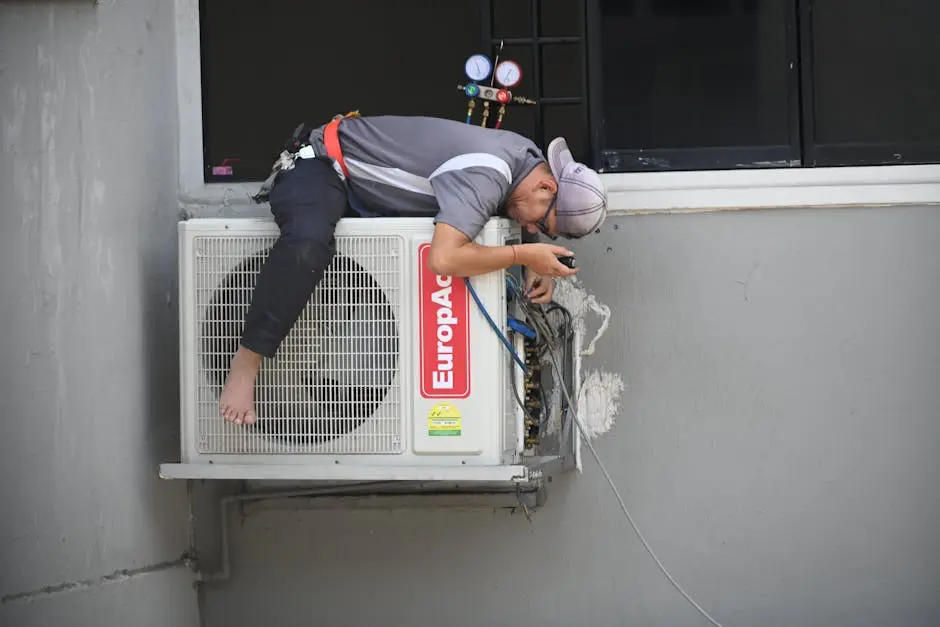
Discover the detailed steps that technicians take during an HVAC inspection to ensure your system’s health. The process typically begins with a thorough assessment of all components, including the thermostat, ductwork, and blower. Technicians will often check refrigerant levels and inspect wiring to ensure everything is functioning optimally.
After the initial assessment, they will clean important parts like filters and coils. This step is crucial because clean components work better, contributing to overall system efficiency. Depending on the age and type of your system, additional checks, including examining gas lines or electrical connections, might be necessary. Understanding this process helps you appreciate what you’re paying for and why it’s worth the investment.
4. Common HVAC Issues Found During Inspections
Knowing what issues are typically found can help you stay proactive about maintenance. For many homeowners, clogged filters and dirty coils are the most common culprits behind inefficient systems. These problems can lead to reduced airflow and higher energy consumption.
Another frequent issue is refrigerant leaks. These can cause your system to underperform and can potentially harm the environment. During an HVAC inspection, technicians can identify these leaks and recommend the appropriate repair methods, ensuring your system runs as intended and does not cause further harm.
Lastly, worn-out components such as belts and bearings can go unnoticed without a proper inspection. These parts are vital for the seamless operation of your HVAC system, and replacing them in a timely manner can prevent complete system failures down the line.
5. Benefits of Regular HVAC Inspections
Regular inspections can lead to improved efficiency and lower energy costs. When your HVAC system is consistently checked, it ensures that all parts are working harmoniously, thus prolonging the system’s lifespan. Over time, this not only means greater comfort but also significant savings.
Moreover, these inspections enhance indoor air quality by identifying and eliminating contaminants. The importance of clean air in your home cannot be overstated, especially for those with allergies or respiratory issues. Regular HVAC maintenance truly plays a vital role in not just your system’s performance but also your family’s health.
6. Frequency of HVAC Inspections
How often should you have your HVAC system inspected? Let’s break it down. For most households, a professional inspection once a year is adequate. However, if you live in an area with extreme weather conditions, more frequent checks might be necessary.
In addition to these annual inspections, simple DIY checks on a seasonal basis can help maintain system efficiency. These can include checking filters and listening for unusual sounds. The goal is to create a habit that keeps your system in top condition year-round.
7. DIY HVAC System Checks You Can Do
Find out what you can safely check on your own to ensure your HVAC system is in good shape. To start, always check and change your air filters regularly. Clogged filters can significantly diminish your system’s efficiency. A good rule of thumb is to replace them every 1-3 months, particularly during high usage seasons.
Next, inspect visible ductwork for any signs of leaks or damage. Sealing these gaps can help improve airflow and save energy. Additionally, clear debris from around your outdoor unit, ensuring it has plenty of space to breathe. These simple checks can make a significant difference in system performance.
8. Choosing the Right HVAC Inspector
Tips for selecting a qualified inspector who will give you a thorough evaluation. Start by looking for licensed professionals with solid reviews. Word-of-mouth referrals can be invaluable, as satisfied customers often lead you to trustworthy inspectors.
Once you have a shortlist, inquire about their inspection procedures and how they handle repairs. A quality technician will not only perform the inspection but also provide you with a detailed report of their findings and suggestions for any necessary improvements. This transparency is a sign of a reliable service.
9. Understanding HVAC System Ratings
Learn about the different ratings and what they mean for your system’s performance. One key rating is the Seasonal Energy Efficiency Ratio (SEER). A higher SEER rating indicates a more efficient unit, which can lead to substantial energy savings over time.
Similarly, look for the Energy Star label, which ensures that the unit meets strict efficiency guidelines set by the U.S. Environmental Protection Agency. Understanding these ratings can guide you in making informed choices when purchasing or upgrading your HVAC system.
10. The Role of Filters in HVAC Systems
Why changing your filters regularly is crucial for a healthy HVAC system. Filters trap dust, dirt, and allergens, preventing them from circulating throughout your home. Over time, if these filters are not replaced, they can become clogged, forcing your system to work harder and leading to decreased efficiency.
Not only does this elevated workload increase energy bills, but it can also reduce the lifespan of your system. A simple practice of changing filters every couple of months can ensure optimal airflow, improved air quality, and a more efficient system overall.
11. The Environmental Impact of HVAC Systems
How proper maintenance and inspections can lead to a more eco-friendly system. An inefficient HVAC system does not only use more energy, but it also contributes to increased greenhouse gas emissions. By ensuring your system is well-maintained, you contribute to a greener environment.
Inspections help identify areas where improvements can be made, such as sealing duct leaks or optimizing refrigerant levels. These steps not only promote efficiency but also decrease your system’s environmental footprint, providing a win-win situation for both you and the planet.
12. What to Expect After an HVAC Inspection
Understanding the inspector’s report and what steps to take next for your system. After an inspection, you will receive a comprehensive report detailing the condition of your HVAC system. This document serves as a roadmap for any necessary repairs or adjustments.
Don’t hesitate to ask your inspector questions about their findings. Understanding what needs attention can help you prioritize upgrades or repairs, saving you from larger problems in the future. A proactive approach is key to maintaining a comfortable home.
13. Cost Considerations for HVAC Inspections
A breakdown of what to expect in terms of costs for an HVAC inspection. On average, homeowners can expect to pay between (75 to )200 for a standard inspection, depending on the size of the system and the complexity of the services provided.
While this expense may seem significant, remember that it pales in comparison to the potential costs of major repairs due to neglected maintenance. Essentially, investing in regular inspections can lead to savings in the long run, making it a wise decision for any homeowner.
14. Seasonal HVAC Maintenance Tips
Practical tips for maintaining your HVAC system throughout the year. As seasons change, so should your maintenance routine. For example, during fall, be sure to clean your outdoor unit and check the heater settings in preparation for cooler months.
In spring, focus on the cooling system—replace filters and clear debris from around the condenser. Keeping these systems in mind not only ensures comfort year-round but also extends the life of your HVAC system, providing ongoing benefits.
15. The Future of HVAC Technology
Stay ahead of the curve by learning about the latest trends in HVAC technology. Innovations like smart thermostats and energy-efficient heat pumps are revolutionizing how homeowners manage their heating and cooling. These technologies not only promote convenience but also contribute to energy savings.
As the field evolves, it’s important to stay informed about the advancements that could benefit your home. By understanding what’s available, you can make informed decisions about upgrades that improve your comfort and reduce your environmental impact.