What Is an Outdoor Disconnect and Why Is It Important in A/C Maintenance?

Understanding the components of your air conditioning system is crucial for effective maintenance. One such component is the outdoor disconnect. In this blog, we’ll explore what an outdoor disconnect is and why it’s essential for keeping your A/C running smoothly.
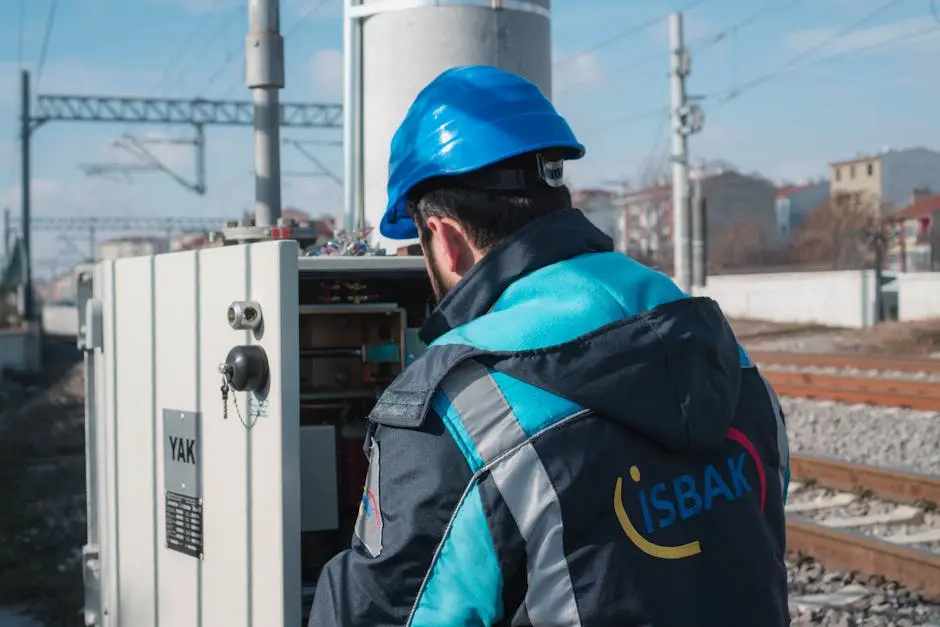
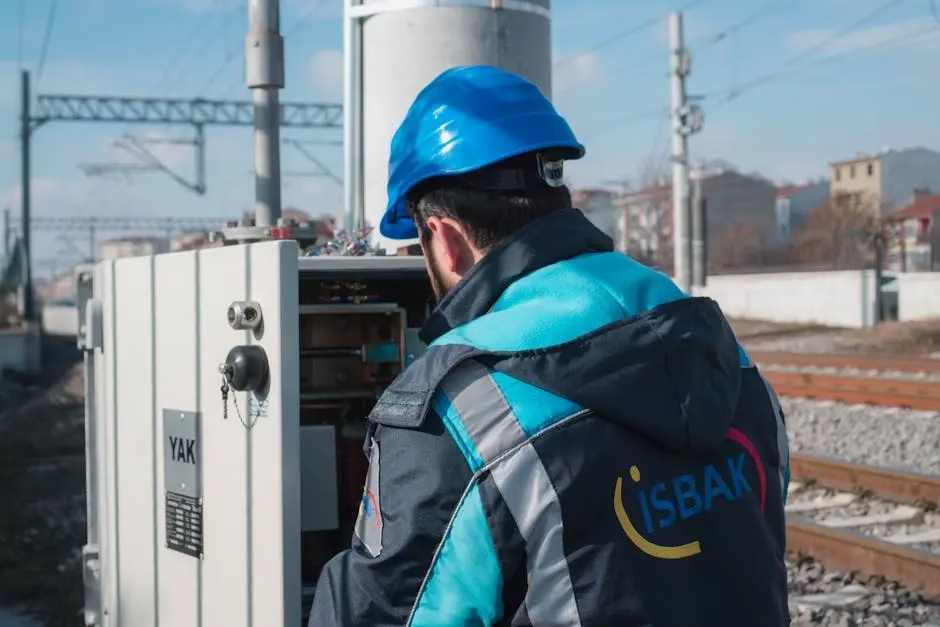
An engineer in a blue hard hat examines a fuse box on a railway track outdoors.

What Is an Outdoor Disconnect?

An outdoor disconnect is a safety device that allows you to shut off power to your air conditioning unit. It’s typically mounted outside near the A/C unit and is critical for safe maintenance operations.

Imagine trying to work on your air conditioning unit with it still powered on. That’s where the outdoor disconnect comes in! It acts as a crucial barrier between you and potential electrical hazards, making it a must-have for any A/C system.

The outdoor disconnect not only serves as a power cut-off but also streamlines the maintenance process. By centralizing the control, it provides technicians with a quick and safe way to operate on the unit.

In essence, it is like an emergency switch that provides immediate access to stop the flow of electricity to your air conditioning system, enhancing safety for everyone involved.

How Does an Outdoor Disconnect Work?

The outdoor disconnect cuts power to the A/C, ensuring that technicians can work on the unit without the risk of electrical shock. It operates through a simple switch mechanism that interrupts the power supply.

When the switch is flipped, it breaks the circuit, cutting off the flow of electricity. This is particularly important during maintenance or repair work when you need to ensure that no power is running to the unit.

Think of it this way: just like you wouldn’t want to tinker with live wires on any other electrical device, working on your air conditioner requires the same kind of caution. The outdoor disconnect provides that peace of mind.

Furthermore, many disconnects are equipped with features like fuses or circuit breakers to prevent overload, adding another layer of protection to your A/C maintenance strategy.

Why Is an Outdoor Disconnect Important for A/C Maintenance?

It’s vital for safety during servicing, helps in compliance with electrical codes, and can prevent accidental equipment damage. Without it, routine checks could be hazardous.

Using an outdoor disconnect is not just about safety; it’s mandatory for compliance with various local electrical codes. Many regulations require that all air conditioning work must include a method to disconnect power safely.

In addition, the outdoor disconnect prevents accidental equipment damage. If technicians unknowingly try to work on a live unit, the resulting malfunction can lead to costly repairs that could have been easily avoided.

Apart from that, it’s crucial to note that having a properly installed disconnect can actually extend the lifespan of your A/C system. By ensuring that maintenance tasks can be performed safely and efficiently, you minimize the wear and tear on your unit.

How to Maintain Your Outdoor Disconnect?

Regularly inspect the outdoor disconnect for signs of wear or corrosion. Ensure the cover is securely fastened and that the switch operates smoothly. If you notice any issues, consult a professional.

Maintenance of your outdoor disconnect is both simple and vital. Begin by checking for any dirt or debris that may have accumulated. Sometimes, a clean disconnect can perform wonders for its functionality.

Also, it’s important to examine the electrical connections to ensure they are tight. Loose connections can create arcing and worsen performance, leading to overheating issues.

Scheduling a routine checkup every year with HVAC professionals can add an extra layer of confidence, ensuring that your outdoor disconnect is always in top shape.

What Happens If You Don’t Have an Outdoor Disconnect?

Operating an A/C unit without an outdoor disconnect can lead to electrical hazards, increased risks during maintenance, and potential violations of building codes.

If you don’t have this safety device, the risks are significant. The chances of electrical shock during maintenance soar, putting both you and the technician in peril.

Moreover, without an outdoor disconnect, you might face significant legal ramifications. Ignoring electrical codes can result in fines and even void your homeowner’s insurance.

In conclusion, not having an outdoor disconnect is not only a maintenance oversight; it’s a safety hazard that could lead to dangerous situations. Make sure you have this essential component in place to ensure safe and efficient A/C operation.

Wrap-Up: The Importance of Outdoor Disconnect Maintenance

Regular maintenance of your outdoor disconnect can prevent costly repairs and ensure efficient operation of your air conditioning system. Make it a part of your routine A/C checks.
What are common problems with condenser units and how can they be fixed?

Condenser units play a crucial role in various cooling systems, and like any mechanical device, they can encounter issues over time. Understanding these common problems and their solutions can save you time, money, and frustration. In this FAQ, we’ll address typical problems with condenser units and how to resolve them efficiently.
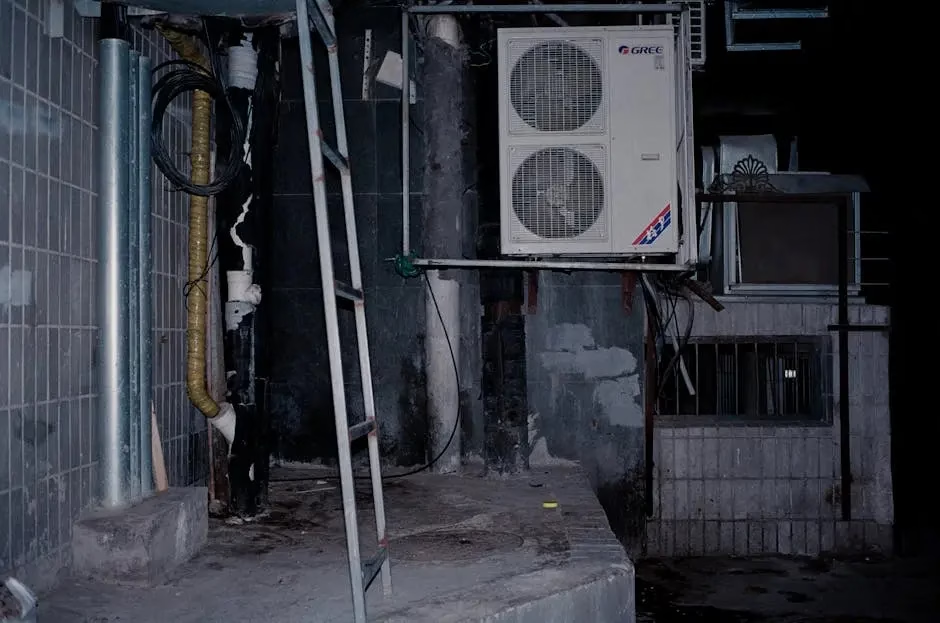
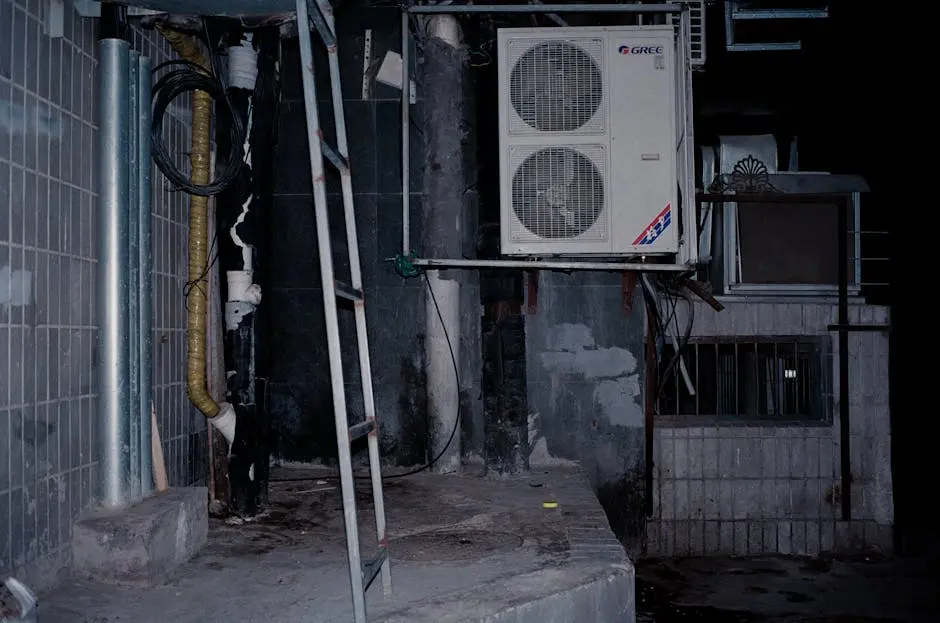
Close-up of an industrial air conditioner setup on a building wall, showcasing pipes and a ladder.

Problem 1: Poor Cooling Performance

If your condenser unit isn’t cooling effectively, it may be due to dirty coils or low refrigerant levels. Cleaning the coils and checking refrigerant levels are the first steps to improving performance.

Dirty coils can significantly hinder your unit’s ability to cool. It’s a good idea to inspect the coils regularly, especially during peak usage seasons. If you find them coated with dust and debris, a simple cleaning can work wonders.

Another reason for subpar cooling could be a refrigerant leak. A refrigerant level that’s lower than recommended causes the unit to overwork. If you suspect a leak, it’s best to call in a professional to replenish the refrigerant and check for underlying issues.

In some cases, the thermostat settings may be misconfigured. Double-check that the settings align with your cooling needs and make adjustments as necessary. Sometimes, the simplest solutions can lead to significant improvements!

Problem 2: Noisy Operation

Unusual noises can indicate loose parts or a malfunctioning fan. Inspecting the unit for loose screws or debris can help minimize unwanted noise.

If your condenser unit makes buzzing, clanking, or grinding sounds, it may be time for a thorough inspection. Often, these noises signal that a component has become loose, which requires a quick fix to avoid further damage.

Additionally, a dirty fan can cause excessive noise. Cleaning the fan blades and ensuring they operate freely can drastically lower sound levels. It’s always surprising how a little TLC can make your unit run quieter!

Don’t ignore recurring noises either; they usually lead to bigger problems down the line. Scheduling regular maintenance can address minor issues before they escalate, ensuring your unit operates quietly and efficiently.

Problem 3: Frequent Cycling

If the unit frequently turns on and off, it may be too large for your space or require maintenance. Evaluating the unit’s size and scheduling regular check-ups can help stabilize operation.

Frequent cycling is often a symptom of an incorrectly sized condenser unit. If your system is too large for your space, it may cool too quickly and turn off, only to turn back on again shortly after. Consult with a professional to assess your unit’s suitability.

Another common cause of this issue is a faulty thermostat. A malfunctioning thermostat can send incorrect signals to your unit, causing erratic behavior. Ensure the thermostat is properly calibrated to eliminate this problem.

Regular maintenance is also key in addressing frequent cycling. Expert inspection and cleaning can eliminate dirt buildup and other problems that disrupt the unit’s normal operation, allowing for more stable cycling.

Problem 4: Frozen Coils

Frozen coils can result from restricted airflow or issues with refrigerant. Checking air filters and ensuring proper airflow can prevent this problem from occurring.

One of the primary culprits behind frozen coils is an obstruction in the air filter. A dirty or clogged air filter restricts airflow, leading the coils to freeze. Make it a habit to check and replace filters regularly for optimal performance.

Sometimes, refrigerant levels can also lead to freezing. If your coils are consistently freezing, it might be because the refrigerant is low or has leaked out. Getting a professional to assess this can save you money and frustration down the road.

Occasionally, the outdoor temperature may contribute to freezing. If it’s extremely cold outside and your unit runs continuously, it may struggle to maintain proper temperatures. In this case, it’s wise to modify your settings or consult an HVAC professional for guidance.

Wrapping Up

By identifying and addressing these common issues with condenser units, you can ensure your cooling system runs smoothly and efficiently. Regular maintenance, vigilance, and prompt repairs will extend the lifespan of your condenser unit.

Simple Tips for Effective System Evaluation and Maintenance

Evaluating and maintaining systems can seem daunting, but with the right approach, it becomes manageable and even enjoyable. In this blog, we’ll explore some simple yet effective tips that will help you streamline your system evaluation process and ensure that your systems run smoothly. Whether you’re a novice or have some experience under your belt, these strategies will empower you to enhance your systems effectively.
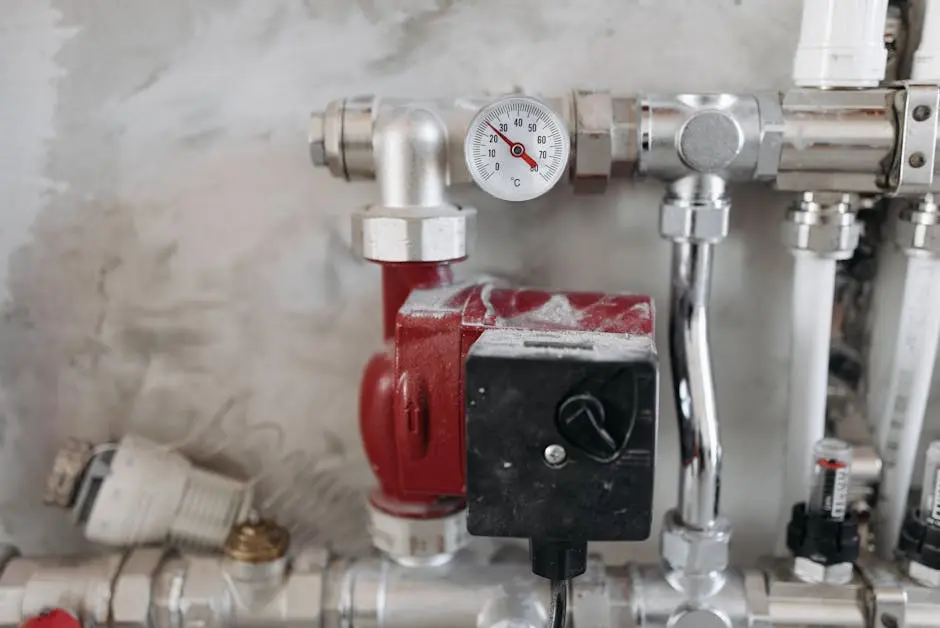
Close-up view of an industrial plumbing system featuring a pressure gauge and steel pipes.

Understanding the Importance of System Evaluation

System evaluation is essential for identifying strengths and weaknesses within your workflows. It allows you to make informed decisions about improvements, leading to increased efficiency and effectiveness.

Understanding the importance of system evaluation starts with recognizing that every system has its unique challenges. By taking the time to evaluate these systems, you can pinpoint specific areas lagging behind. Think of it as a health check for your operations—regular assessments ensure that everything runs smoothly and effectively.

Moreover, system evaluation does not merely reveal problems; it highlights what’s working well. Celebrating these successes can motivate your team and encourage a culture of continuous improvement. Therefore, embracing system evaluations can transform your approach by emphasizing both areas for growth and achievements.

Regularly Schedule Evaluations

Consistency is key when it comes to system evaluation. Establish a regular schedule—be it quarterly or biannually—to revisit and assess your systems. This helps spot issues early and maintain optimal performance.

By scheduling regular evaluations, you create a structured framework that helps prioritize this crucial task. Consistent poking and prodding not only keeps systems in check but also refines the process over time, making it more intuitive. After all, a stitch in time saves nine, and early identification of potential problems can save a lot of time and resources down the line.

It’s also wise to keep in mind that life’s unforeseen circumstances might delay your plans. By sticking to a set timetable and effortlessly integrating evaluations into your routine, you minimize the risk of overlooking critical assessments. This proactive approach builds a habit that elevates your systems to new heights.

Gather Feedback from Users

Involve users in the evaluation process. Their insights can reveal pain points that you might not see as an administrator. Conduct surveys or informal check-ins to collect valuable feedback.

User feedback is a treasure trove of information that can propel your system evaluations. Engaging with users not only empowers them but fosters a sense of community and belonging within your organization. Hearing their voices brings fresh perspectives and can lead to innovative solutions you hadn’t considered.

Moreover, regular interactions with users during the evaluation process cultivate trust. When people see that their feedback can lead to change, they’re more likely to provide candid responses. This partnership between users and administrators not only enhances the evaluation process but ultimately strengthens your systems.

Utilize Data Analytics Tools

Data analytics tools can provide powerful insights into system performance. Leverage these tools to track key metrics and identify areas that need attention or improvement.

Using data analytics is like having a magnifying glass that reveals the intricate details of your system’s functionality. These tools enable you to quantify your system’s performance and spot trends that you might otherwise miss. For instance, if a particular process is consistently lagging during peak times, data can help uncover the root causes.

Furthermore, analytics tools can help benchmark your systems against industry standards. This comparative analysis not only highlights where your systems stand but also where they can improve. By embracing such technology, you position yourself to stay ahead of the curve and ensure long-term sustainability.

Document Changes and Updates

Keep a detailed record of any changes or updates made during evaluations. This documentation serves as a reference for future evaluations and helps maintain consistency in your approach.

Documenting changes is not just a bureaucratic necessity; it’s a powerful tool for reflection. When you outline what modifications were made and why that clarity is invaluable for future evaluations. This documentation becomes a roadmap, allowing teams to learn from past experiences and forge ahead more intelligently with each evaluation cycle.

Moreover, thorough documentation can aid in managing transitions when new team members join. It creates a repository of collective knowledge that can help onboard new reviewers efficiently. Having this resource at your disposal ensures a continuity of understanding that prevents previous mistakes from being repeated.

Embrace Continuous Improvement

System evaluation isn’t a one-time task but a continuous journey. Always look for ways to enhance your systems based on findings from your evaluations and feedback, ensuring ongoing progress.

Embracing an ethos of continuous improvement can infuse your evaluation process with dynamism. Rather than seeing evaluation as a chore, view it as a gateway to innovation. By consistently seeking out new ways to improve and modernize your systems, you keep your operations fresh, relevant, and responsive to changing needs.

This commitment to enhancement also means regularly revisiting what ‘success’ looks like for your systems. As your organization grows and evolves, so too will your criteria for evaluation. Thus, being open to change is essential. Continuous improvement turns every evaluation into an opportunity for reinvention, fostering an agile environment.

Wrapping Up Your System Evaluation Journey

By implementing these simple tips for effective system evaluation and maintenance, you can ensure that your systems operate at their best and adapt to changing needs over time. Consistent evaluation not only improves functionality but also helps anticipate potential issues before they arise, saving you time and energy. Remember, a well-maintained system is the backbone of any successful operation.

How Can a Simple Tune-Up Provide Affordable Comfort and Energy Savings?

Tune-ups are more than just routine maintenance; they’re your ticket to affordable comfort and energy efficiency. In this guide, we’ll explore how a simple tune-up for your heating and cooling systems can help you save money and create a cozy living environment. Let’s uncover the secrets behind this essential home care practice!
A man ironing clothes in a modern home, showcasing domestic tasks and home lifestyle.

Understanding the Importance of Tune-Ups

Learn why regular tune-ups are essential for maintaining system efficiency and extending the lifespan of your HVAC units.

When it comes to heating and cooling, understanding the importance of tune-ups goes beyond just simple maintenance. Regular tune-ups can prevent unexpected breakdowns, ensuring your system operates at its optimal efficiency. This means your home stays comfortable year-round while also reducing energy waste.

From consistently clean filters to properly calibrated thermostats, each component plays a vital role in the overall performance of your HVAC system. A small investment in tune-up services pays off big by prolonging the equipment’s life and enhancing energy efficiency.

Realizing that a simple tune-up stands as a barrier against costly repairs can change how you view HVAC maintenance. These assessments not only enhance performance but also contribute to a healthier living environment by ensuring optimal air quality.

Signs Your System Needs a Tune-Up

Identify the common signs, such as unusual noises or rising energy bills, that indicate your HVAC system is in need of attention.

It’s crucial to recognize when your HVAC system is calling out for help. Common indicators include strange sounds, fluctuating temperatures, or the presence of excessive dust around your home. If your system is working harder but producing less comfort, a tune-up is in order.

Moreover, if you notice a consistent increase in energy bills without a corresponding rise in usage, that’s a telltale sign that your system might not be operating efficiently. Don’t wait for a complete breakdown; addressing these warning signs promptly can lead to significant savings.

Setting regular assessments can help mitigate these risks and maintain your systems’ reliability. Awareness of these warning signs is your first step towards ensuring affordable comfort through effective HVAC maintenance.

What Happens During a Tune-Up

Discover the key steps a technician takes during a tune-up, including cleaning, inspecting, and testing crucial components.

A professional tune-up typically begins with an extensive inspection. The technician evaluates vital components such as the furnace, air conditioner, filters, and ductwork. This thorough approach allows them to diagnose potential issues before they escalate into bigger problems.

Beyond inspection, cleaning is paramount. Dust and debris can accumulate over time, obstructing airflow and reducing efficiency. Eliminating these obstructions leads to better airflow, resulting in improved energy savings and longevity of the system.

During the testing phase, technicians verify the functionality of all parts, addressing any irregularities. This proactive approach means your system not only functions properly but also runs smoothly, providing you with year-round affordable comfort.

How Tune-Ups Save You Money

Explore the financial benefits of tuning up your system, such as lower energy bills and fewer costly repairs over time.

When you invest in a tune-up, you’re not just paying for a service; you’re investing in your financial future. Regular maintenance can reduce your energy bills by improving system efficiency, ensuring you’re not spending extra money to cool or heat your home.

Additionally, a well-maintained system is less likely to break down. Fewer repairs mean more money saved. Instead of facing an emergency repair bill, think of tune-ups as a way to avoid unexpected expenses down the line—your budget will thank you!

Furthermore, lower energy consumption contributes positively to the environment. By maintaining comfort at home while being energy-efficient, you’re playing a part in achieving sustainability, which is a win-win situation for both your wallet and our planet.

Tips for Finding Affordable Tune-Up Services

Get practical advice on how to locate experienced and affordable HVAC technicians for your tune-up needs.

Finding affordable tune-up services can feel daunting, but there are many resources available to make the process easier. Start by seeking recommendations from friends or family, or check online reviews of local technicians. You want to choose someone with a solid reputation and experience.

Moreover, don’t hesitate to ask for quotes from multiple service providers. This will give you a fair understanding of the cost range and ensure that you’re receiving a competitive price. Remember, the cheapest option isn’t always the best; look for value and expertise.

Finally, consider joining local home maintenance programs; some offer substantial discounts for regular service. Every little bit helps when aiming for affordable comfort and energy savings through proper HVAC care!

Embrace Affordable Comfort

A simple tune-up can significantly enhance your home’s comfort while leading to substantial energy savings. By taking the time to care for your HVAC system, you’ll not only enjoy a pleasant indoor climate but also keep your wallet happy. Remember, investing in regular maintenance is investing in your home’s efficiency and your family’s comfort.

15 Tips to Maximize Your AC’s Lifespan with Proper System Evaluation

Air conditioning units are essential for keeping our homes comfortable, especially during scorching summer months. However, the longevity of your AC system largely depends on proper care and regular evaluations. In this post, we’ll explore some friendly and approachable tips that will help you maximize your AC’s lifespan, ensuring you enjoy cool breezes for years to come.
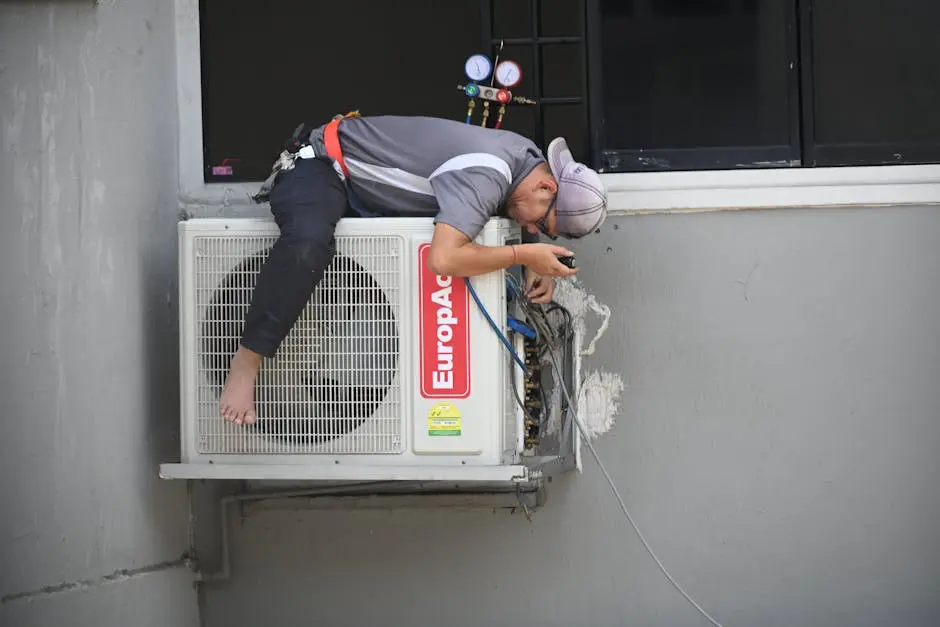
A technician skillfully repairing an outdoor air conditioning unit mounted on a building wall.

1. Regularly Change Your Air Filter

Changing your air filter every few months can significantly improve your AC’s performance and efficiency. Without a clean filter, your system has to work harder, potentially leading to breakdowns and repairs that can be avoided. Think of the air filter as the lungs of your AC system; keeping it clean promotes healthy airflow.

Furthermore, a fresh filter can enhance air quality, reducing allergens circulating through your home. Don’t forget to mark your calendar or set reminders—it’s easy to overlook.

2. Schedule Annual Tune-Ups

Just like any other appliance, your AC needs annual check-ups to stay in top shape. Scheduling a tune-up with a professional ensures that any potential issues are caught early. During these check-ups, technicians can clean the coils, check coolant levels, and verify that all components are functioning correctly. Investing in this yearly maintenance can save you from more significant expenses down the road.

Moreover, an annual tune-up helps to prolong the life of your AC unit, allowing it to run efficiently and reliably when you need it most. It’s a proactive step that pays off in comfort and peace of mind.

3. Keep the Outdoor Unit Clean

Make sure to keep the area around your outdoor unit clear of debris, dirt, and vegetation to ensure proper airflow. Landscaping can quickly cause blockages that restrict airflow, leading to inefficiencies and stress on your AC. A clean outdoor unit operates more efficiently, helping it to cool your home more effectively.

Regularly inspect the unit, removing leaves and other debris that may have become trapped. A little maintenance can go a long way in keeping your system running smoothly.

4. Check the Thermostat Settings

Ensure your thermostat is correctly calibrated and functioning properly for accurate temperature control. A miscalibrated thermostat can lead to improper cooling and unnecessary wear and tear on your AC system. If you notice temperature discrepancies, it might be time for a check-up or a replacement.

In addition, modern thermostats come with features that can enhance your home’s energy efficiency. Incorporating smart thermostats allows you to program and adjust temperatures based on your schedule, which can significantly reduce energy consumption.

5. Seal Ductwork for Efficiency

Inspecting and sealing any leaks in your ductwork is paramount to avoiding the loss of cool air and wasting energy. Sealing leaks not only keeps your home cooler but also eases the workload on your AC unit, enhancing overall efficiency.

Consider using mastic sealant or metal tape for lasting results. Regular duct inspections will help you maintain a comfy indoor environment while prolonging AC life.

6. Install a Programmable Thermostat

Using a programmable thermostat can help regulate your AC usage, reducing strain and extending its lifespan. By setting your thermostat to automatically adjust temperatures when you’re not home, you preserve energy and allow your AC to work more efficiently.

It’s a win-win situation—saving energy and enhancing your AC’s longevity simply by being a bit smarter about temperature management. Plus, coming home to a comfortably cool house feels like a victory!

7. Ensure Proper Insulation

Proper insulation in your home is essential to prevent cool air from escaping, easing the workload on your AC. Insulation keeps your living space comfortable without requiring constant adjustments from your system. Investing in high-quality insulation can pay dividends in energy savings and comfort.

Take time to check your home for drafts and seal up any gaps that may let air escape. A well-insulated home cooperates with your AC unit, maximizing its efficiency.

8. Monitor Energy Consumption

Keep an eye on your energy bills. A sudden spike may indicate an issue with your AC system that needs immediate attention. Consistent monitoring helps you track your AC’s performance, identifying when something’s off before it leads to more significant problems.

If you notice a recurring issue with high energy consumption, consider contacting a professional to evaluate your system. Regular energy checks are an easy but effective way to stay ahead of potential repairs.

9. Use Ceiling Fans in Conjunction

Ceiling fans can help circulate air and reduce the load on your AC, maintaining a comfortable temperature more efficiently. By using both systems in harmony, you can create a more pleasant environment without straining either unit.

10. Check for Ice Build-Up

If you notice ice forming on your AC unit, it’s time to call a professional. This can indicate a refrigerant leak or airflow issue, both of which require prompt attention. Ignoring this could lead to serious damage to your system.

11. Keep Vents Unobstructed

Arrange furniture and other items so that air can flow freely from the vents to ensure efficient cooling. A well-placed couch or curtain can block airflow, leading to uneven temperatures and decreased performance.

Take a moment to evaluate your living space and adjust as necessary—small changes can lead to significant improvements in AC efficiency.

12. Test Your AC Before Summer

Before the heat of summer hits, run your AC to check that it’s functioning properly and cooling as it should. A pre-summer test can catch minor issues before they escalate into larger problems that take your system offline during the hottest months.

13. Choose the Right Size Unit

An appropriately sized AC unit is crucial. A unit that’s too small will struggle to cool your space, while one that’s too large can lead to excessive cycling, negatively impacting efficiency. During the initial purchase, consult with professionals to ensure you choose the right size for your home.

14. Consider a Home Energy Audit

A professional energy audit can help identify any areas in your home where improvement is needed for better AC efficiency. These audits assess insulation, ductwork, and overall energy usage, pointing out where adjustments can be made.

15. Stay Informed About System Updates

Stay updated on the latest technology and maintenance practices for your AC unit to ensure optimal function. The HVAC industry is continually evolving with advancements that can enhance energy efficiency and comfort. By keeping informed, you can take advantage of these new developments and apply them for your benefit.

How a Technical Assessment Can Extend the Life of Your Air Conditioner

Your air conditioner is one of the most crucial appliances in your home, especially during those scorching summer months. Yet, like any other machine, it requires regular check-ups to ensure it operates efficiently and lasts longer. A technical assessment is one such evaluation that can provide insights into your AC’s health and reveal potential issues before they escalate. In this blog, we’ll explore the various aspects of a technical assessment and how it can help you extend the life of your air conditioner.
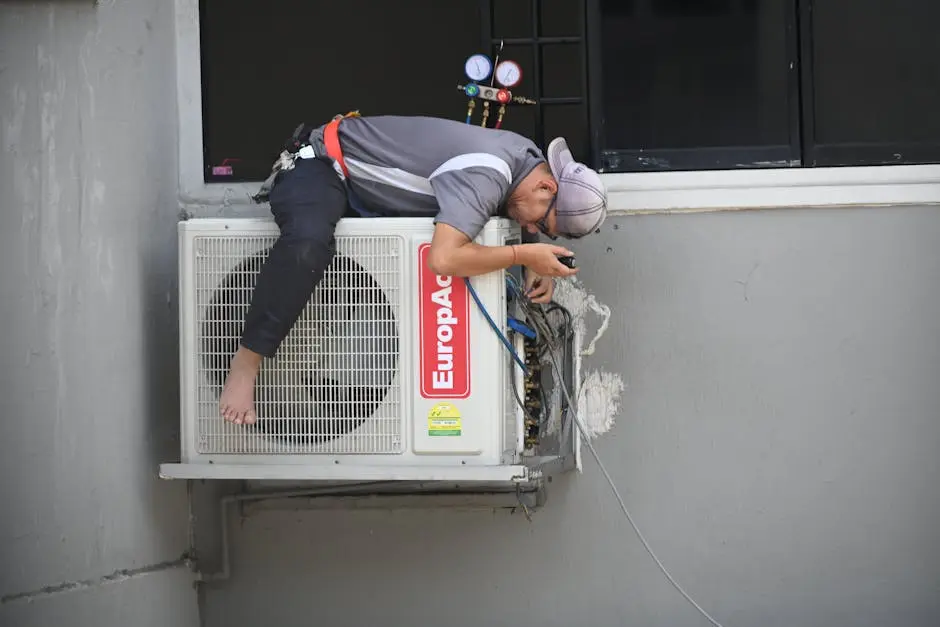
A technician skillfully repairing an outdoor air conditioning unit mounted on a building wall.

Understanding What a Technical Assessment Is

A technical assessment involves a comprehensive evaluation of your air conditioner’s components and performance. This process helps identify any existing issues and predict future problems that could lead to costly repairs.

During a technical assessment, trained professionals will not only check the visible elements of your AC system but also delve deeper into its functionality. They’ll evaluate how each component works together to ensure optimal performance. This holistic view is crucial for diagnosing hidden problems that may arise over time.

Often, the signs of a malfunctioning air conditioner are subtle and easily dismissed. Unusual noises, decreased airflow, or increased energy bills might seem like minor inconveniences, but they can indicate a more serious underlying issue. A technical assessment provides a chance to catch these problems early and avoid unexpected breakdowns.

Key Components of the Assessment Process

During a technical assessment, various parts of your AC system are examined, such as the compressor, coils, and refrigerant levels. Understanding what to expect from the assessment can help you appreciate its importance.

The technician will often start by inspecting the air filters—this is one of the easiest and most impactful areas to check. Clogged filters can reduce airflow and strain your system. After that, they will check the condenser coils and evaporator coils, which are vital for heat exchange, making sure they’re clean and functioning well. By ensuring these key components are in good shape, the entire system performs more efficiently.

Moreover, the technician will assess the thermostat calibration and controls. If your thermostat isn’t reading the temperature correctly, it can’t regulate your system efficiently, leading to increased wear. Through this thorough examination, professionals can ensure your system operates to its fullest potential.

Common Issues Revealed in Technical Assessments

Many air conditioning problems can go unnoticed until they become serious. A technical assessment can uncover issues such as refrigerant leaks, electrical problems, and worn-out components that could lead to system failure.

For instance, refrigerant leaks can hinder efficiency and lead to a dropped cooling capacity. If left unchecked, this can result in total system failure and a more costly repair. On the other hand, electrical issues, like frayed wires or loose connections, can cause your air conditioning unit to behave unpredictably or even pose a safety hazard.

Additionally, mechanical issues with components like the compressor or the fan can be diagnosed during the assessment. Addressing these problems early not only prevents expensive repairs down the road, but it also ensures that your unit remains energy efficient, saving you money on your utility bills.

Benefits of Regular Technical Assessments

Regular assessments not only help prolong the life of your air conditioner but also improve energy efficiency, reduce utility bills, and enhance indoor air quality. Knowing these benefits can motivate you to prioritize this essential maintenance.

For instance, an air conditioner that runs efficiently does more than just cool your space—it cleans the air you breathe. With a thorough technical assessment, you can ensure that the filters are clean, the coils are operating normally, and the entire system is functioning as designed. This enhances your indoor air quality, which can have a significant positive impact on your health.

Moreover, a well-maintained air conditioning unit operates more efficiently, which means it doesn’t have to work as hard to cool your home. Reduced energy use translates into lower utility bills and a smaller environmental footprint. It’s a win-win situation!

When to Schedule a Technical Assessment

Knowing when to schedule an assessment is crucial. It’s recommended to have a technical assessment done before the hot season starts or at least once a year to ensure your system is in optimal condition for peak performance.

Scheduling an assessment in the spring ensures that your air conditioner is ready to take on the heat of summer without any hiccups. If you wait until the middle of summer to schedule a service, you might find yourself scrambling to get help when demand is highest and service availability is lowest.

Choosing the Right Professional for the Job

Finding a qualified technician to perform a technical assessment is key. Look for professionals with good reviews, proper certifications, and extensive experience to guarantee that your air conditioner receives the best care.

Moreover, don’t hesitate to ask potential candidates about their assessment processes—what do they specifically check? This openness can give you insight into their professionalism and dedication to their craft. A reputable technician will be happy to answer your questions and explain the importance of each step.

Finally, consider seeking referrals from friends or family who have had positive experiences. Often, word-of-mouth recommendations can lead you to the best professionals in your area and make your choice easier.

Wrapping It Up: The Importance of Regular Technical Assessments

A technical assessment is more than just a maintenance check; it’s a proactive approach to ensuring that your air conditioner continues to keep you cool and comfortable for years to come. By understanding the common issues that assessments can uncover and taking the time to address them, you can enjoy peace of mind and optimal performance from your system. So, don’t wait until your AC is on the fritz; schedule a technical assessment today and invest in the longevity of your cooling system.

Understanding the Role of Outdoor Disconnects in AC Maintenance

When it comes to maintaining your air conditioning system, many homeowners overlook the importance of outdoor disconnects. These seemingly small components play a crucial role in ensuring your unit operates safely and efficiently. In this blog, we will explore what outdoor disconnects are, why they are essential for AC maintenance, and how they can help you avoid costly repair bills.
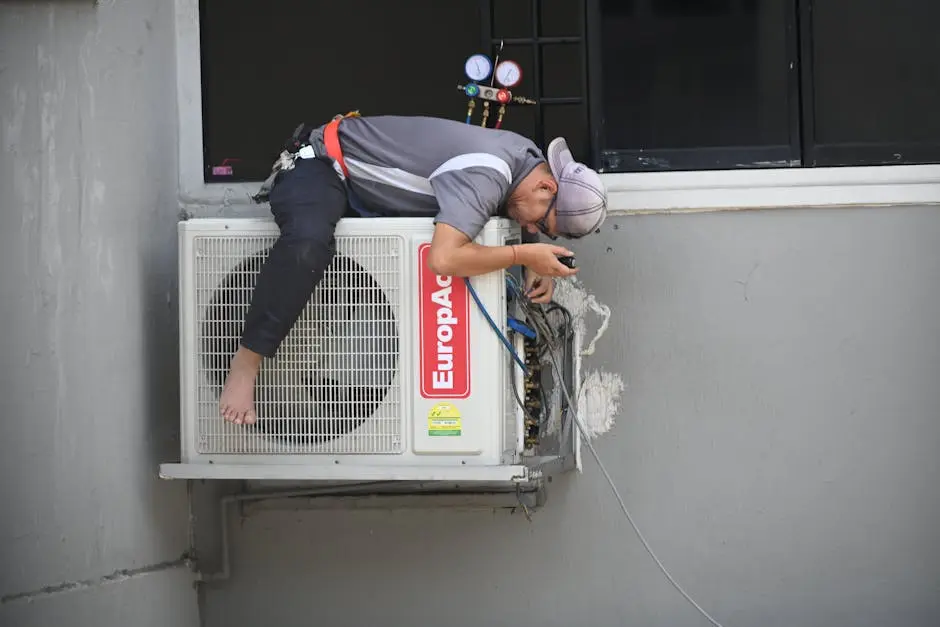
A technician skillfully repairing an outdoor air conditioning unit mounted on a building wall.

What is an Outdoor Disconnect?

An outdoor disconnect is a safety switch that is installed near your air conditioning unit. It allows homeowners and technicians to safely turn off the power to the AC system when performing maintenance or repairs. This switch is an essential component that helps protect both the equipment and the individuals working on it.

Imagine needing to reset your air conditioning unit during a sweltering summer day. Without an outdoor disconnect, the task becomes risky, requiring you to juggle tools while managing live wires. This is where the outdoor disconnect shines—offering a straightforward solution to turn everything off before getting into any work, making the lives of homeowners and technicians considerably easier.

Moreover, these disconnects come in various forms, from pull-out switches to circuit breakers. Each type serves the same basic purpose: ensuring that power can be swiftly and conveniently shut off. Knowing what type of disconnect you have can help in understanding its specific functions. So, if you’re wondering how your AC may handle emergencies, look no further than this critical device.

Why Are Outdoor Disconnects Important?

Outdoor disconnects are important for several reasons. First and foremost, they enhance safety by providing a quick way to cut power to the system in case of an emergency. Additionally, having a disconnect allows technicians to perform routine inspections and repairs without the risk of electrical shock, making the maintenance process safer and more efficient.

But safety is just the tip of the iceberg. Think about the cost of a potential electrical mishap—repairs can add up quickly. By utilizing an outdoor disconnect, you not only safeguard personnel but can also avoid extensive damages that occur when something goes awry. It’s a small investment for peace of mind.

Furthermore, outdoor disconnects are also crucial for compliance with local building codes and regulations. Ignoring these essential components can lead to serious legal repercussions if something goes wrong. By installing and regularly checking your outdoor disconnect, you are not just ensuring your safety; you are also following essential guidelines that protect you and your property.

Common Issues with Outdoor Disconnects

Like any other part of your AC system, outdoor disconnects can encounter issues over time. Common problems include corrosion, which can affect the switch’s functionality, and physical damage from extreme weather or pests. Regular inspections can help identify these issues before they lead to more significant problems.

One of the most prevalent issues is rust, especially in humid climates. Rust can deteriorate the connections and impede the switch’s performance, sometimes rendering it inoperable. If you notice any discoloration or flaking around the connections, it’s time to get that checked out. This might seem like a minor detail, but in the grand scheme of AC maintenance, every little thing counts.

Additionally, outdoor disconnects are often forgotten in the cleaning schedule. Accumulation of dirt and debris can lead to malfunctions. Keeping this area clean isn’t just about aesthetics; it often prevents larger issues down the line. Simple actions, like regularly wiping down the area or ensuring foliage doesn’t obstruct access, can significantly affect your system’s longevity.

How to Maintain Your Outdoor Disconnect

Maintaining your outdoor disconnect is straightforward and can help prolong the life of your AC system. It’s essential to inspect the disconnect for any signs of wear and tear regularly. Ensure that all connections are secure and free from rust or corrosion. If you notice any issues, it’s best to consult a professional.

Speaking of regular checks, think of them as akin to your annual physical. Much like that check-up helps catch health problems, routine inspections of your outdoor disconnect can help identify minor issues before they snowball into more serious concerns. This preventive measure not only helps ensure safety but might save you money on future repairs.

In terms of practical maintenance, using a protective spray can help combat rust and corrosion. This could add years to your outdoor disconnect’s life. Additionally, if you live in an area prone to severe weather, consider installing a weatherproof cover. These simple steps can keep your disconnect in excellent shape, ensuring your AC runs smoothly and safely.

The Future of AC Maintenance and Connectivity

With advancements in technology, outdoor disconnects are becoming more integrated with smart home systems. This integration offers enhanced control and monitoring, allowing homeowners to manage their energy usage efficiently. Understanding these developments can help you stay ahead in AC maintenance and ensure your system operates at peak efficiency.

Imagine being able to control your disconnect remotely from your phone. Not only would you have the ability to turn it off during a storm or when you’re out of town, but you could also receive notifications should an issue arise. This tech-savvy addition is set to revolutionize how we think about AC maintenance.

Moreover, the synergy between outdoor disconnects and smart technology means that technicians can receive diagnostic data. This information can preemptively alert them to potential failures, thereby reducing downtime. As the smart home movement continues to evolve, understanding how pivotal components like outdoor disconnects fit into the bigger picture can make a significant difference in managing your home’s efficiency.

Wrapping Up the Importance of Outdoor Disconnects

In conclusion, outdoor disconnects are a vital part of your air conditioning system that should not be ignored. By understanding their purpose and keeping them well-maintained, you can enhance the performance and safety of your AC unit. Remember to schedule regular maintenance checks with a professional to ensure that all components, including the outdoor disconnect, are functioning optimally.

The Importance of Regular Technical Assessments in Home HVAC Maintenance

Maintaining a comfortable home environment goes beyond making sure the temperature is just right. Having a well-functioning HVAC system is crucial, and one key aspect of keeping it in top shape is through regular technical assessments. In this blog, we’ll explore what these assessments entail, why they matter, and how they can save you money and stress in the long run.

A technician is repairing an air conditioning unit on a rooftop, demonstrating skilled manual work.

Understanding Technical Assessments

Technical assessments involve a comprehensive check of your HVAC system. This process typically includes evaluating the system’s performance, inspecting key components, and ensuring everything is up to code. By having a clear understanding of what these assessments entail, you can better appreciate their significance.

A thorough assessment typically covers everything from the thermostat and ductwork to the compressor and refrigerant levels. Each of these components plays a vital role in the overall functionality of your HVAC system. Therefore, identifying problems in any one area can prevent a cascade of issues that could jeopardize your comfort. Think of it as a routine health check-up, ensuring all systems are functioning harmoniously.

In essence, understanding technical assessments is the first step in empowering homeowners. Equipped with knowledge about what to expect, you become an informed participant in your home maintenance journey. It’s about more than just repairs; it’s a proactive strategy to enhance your living environment.

Why Regular Assessments Are Essential

Just like a car needs regular check-ups, your HVAC system benefits from consistent technical assessments. These assessments help identify issues before they escalate into major problems, prolong the life of your system, and improve energy efficiency.

When you engage in regular assessments, you are essentially conducting a health check on your HVAC system. Imagine the joy of finding out about minor issues that can be resolved easily rather than facing a complete breakdown in the midst of winter! Regular checks ensure that all parts—big and small—work seamlessly together.

Moreover, understanding the rhythm of your home’s HVAC needs is crucial. The more familiar you become with the intricacies of your system, the better equipped you will be to take action when something seems amiss. Regular technical assessments not only give you peace of mind but act as a preventive measure that can save you from discomfort and costly repairs.

How Often Should You Schedule Assessments?

Many experts recommend scheduling a technical assessment at least once a year, ideally before the peak heating or cooling seasons. This proactive approach ensures that your system is ready to handle the demands placed on it.

You might wonder, ‘Is once a year enough?’ Well, the answer often lies in your local climate and how frequently you use your HVAC system. In some cases, homes that experience extreme temperature fluctuations or high usage may benefit from more frequent assessments. Every season brings its own challenges, and your HVAC system needs to adapt and perform efficiently throughout.

Think of these assessments as a way to tune your system for the seasons ahead. Without proper seasonal adjustments, your HVAC may struggle and become less efficient. Scheduling assessments not only prepares your system but also allows you to anticipate and resolve problems before they start, making your living space more comfortable year-round.

Choosing the Right HVAC Professional for Assessments

Selecting a qualified HVAC technician is crucial for effective technical assessments. Look for professionals with strong credentials, good reviews, and a commitment to customer service. A knowledgeable technician will not only perform the assessment but also explain the findings and recommend any necessary actions.

When researching potential professionals, don’t hesitate to ask questions. Understanding their approach to technical assessments will help you gauge their expertise. For example, do they perform thorough system checks, or do they simply skim the surface? A technician who is thorough and engages in straightforward communication will provide you with invaluable insights into the health of your HVAC system.

Moreover, don’t overlook the importance of rapport. You want a technician who communicates clearly and respects your needs as a homeowner. After all, you need someone on your side, not just there to clock in and out. A good working relationship with your HVAC professional can lead to tailored advice and a better overall maintenance plan for your system.

Signs Your HVAC System Needs an Assessment

If you notice unusual sounds, inconsistent temperatures, or rising energy bills, these could be signs that your HVAC system needs a technical assessment. Don’t ignore these warning signs, as they may indicate underlying issues that require professional attention.

For instance, strange noises can indicate a malfunctioning component, while fluctuating temperatures may suggest ductwork issues or restricted airflow. It’s essential to take these indicators seriously. Not only can early detection save you money, but it can also prevent further complications that could affect your home’s comfort.

In addition to these signs, regularly monitoring your system’s performance can help you stay ahead of problems. A keen eye and attentive ear can make all the difference. If the energy bills seem to skyrocket without explanation, it’s time for a thorough check. Trust your instincts—if something feels off, it’s worth investigating further.

The Cost vs. Benefit of Regular Assessments

While there is a cost associated with technical assessments, the long-term savings can far outweigh these initial expenses. By investing in regular maintenance, you can avoid expensive emergency repairs and increase the lifespan of your HVAC system.

Think of it as a small investment for significant returns. When you keep your system running efficiently, you also see savings on your energy bills and avoid the financial sting of emergency repairs. Just like maintaining a car prolongs its life, regular assessments can extend the longevity of your HVAC system, ensuring that it runs smoothly for years.

Ultimately, the true value of regular technical assessments lies in the peace of mind they provide. You’ll feel confident knowing your system is in good hands, operating at peak performance and ready to keep you comfortable no matter the season. As the saying goes, an ounce of prevention is worth a pound of cure, and with HVAC systems, this couldn’t be more accurate.

Wrapping Up: The Value of Proactive HVAC Maintenance

Regular technical assessments of your HVAC system can significantly improve its efficiency and longevity. By catching potential problems early and ensuring your system runs smoothly, you can save on costly repairs and enjoy a more comfortable home. Remember, investing a little time and money in regular maintenance can lead to big benefits in the future.