

Your air conditioner is one of the most crucial appliances in your home, especially during those scorching summer months. Yet, like any other machine, it requires regular check-ups to ensure it operates efficiently and lasts longer. A technical assessment is one such evaluation that can provide insights into your AC’s health and reveal potential issues before they escalate. In this blog, we’ll explore the various aspects of a technical assessment and how it can help you extend the life of your air conditioner.
Understanding What a Technical Assessment Is
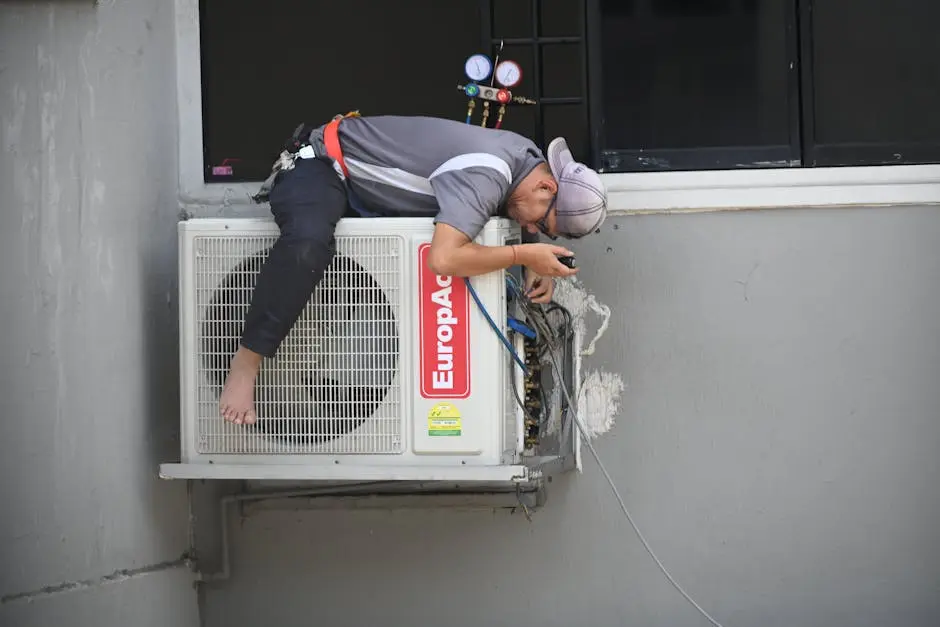
A technical assessment involves a comprehensive evaluation of your air conditioner’s components and performance. This process helps identify any existing issues and predict future problems that could lead to costly repairs.
During a technical assessment, trained professionals will not only check the visible elements of your AC system but also delve deeper into its functionality. They’ll evaluate how each component works together to ensure optimal performance. This holistic view is crucial for diagnosing hidden problems that may arise over time.
Often, the signs of a malfunctioning air conditioner are subtle and easily dismissed. Unusual noises, decreased airflow, or increased energy bills might seem like minor inconveniences, but they can indicate a more serious underlying issue. A technical assessment provides a chance to catch these problems early and avoid unexpected breakdowns.
Key Components of the Assessment Process
During a technical assessment, various parts of your AC system are examined, such as the compressor, coils, and refrigerant levels. Understanding what to expect from the assessment can help you appreciate its importance.
The technician will often start by inspecting the air filters—this is one of the easiest and most impactful areas to check. Clogged filters can reduce airflow and strain your system. After that, they will check the condenser coils and evaporator coils, which are vital for heat exchange, making sure they’re clean and functioning well. By ensuring these key components are in good shape, the entire system performs more efficiently.
Moreover, the technician will assess the thermostat calibration and controls. If your thermostat isn’t reading the temperature correctly, it can’t regulate your system efficiently, leading to increased wear. Through this thorough examination, professionals can ensure your system operates to its fullest potential.
Common Issues Revealed in Technical Assessments
Many air conditioning problems can go unnoticed until they become serious. A technical assessment can uncover issues such as refrigerant leaks, electrical problems, and worn-out components that could lead to system failure.
For instance, refrigerant leaks can hinder efficiency and lead to a dropped cooling capacity. If left unchecked, this can result in total system failure and a more costly repair. On the other hand, electrical issues, like frayed wires or loose connections, can cause your air conditioning unit to behave unpredictably or even pose a safety hazard.
Additionally, mechanical issues with components like the compressor or the fan can be diagnosed during the assessment. Addressing these problems early not only prevents expensive repairs down the road, but it also ensures that your unit remains energy efficient, saving you money on your utility bills.
Benefits of Regular Technical Assessments
Regular assessments not only help prolong the life of your air conditioner but also improve energy efficiency, reduce utility bills, and enhance indoor air quality. Knowing these benefits can motivate you to prioritize this essential maintenance.
For instance, an air conditioner that runs efficiently does more than just cool your space—it cleans the air you breathe. With a thorough technical assessment, you can ensure that the filters are clean, the coils are operating normally, and the entire system is functioning as designed. This enhances your indoor air quality, which can have a significant positive impact on your health.
Moreover, a well-maintained air conditioning unit operates more efficiently, which means it doesn’t have to work as hard to cool your home. Reduced energy use translates into lower utility bills and a smaller environmental footprint. It’s a win-win situation!
When to Schedule a Technical Assessment
Knowing when to schedule an assessment is crucial. It’s recommended to have a technical assessment done before the hot season starts or at least once a year to ensure your system is in optimal condition for peak performance.
Scheduling an assessment in the spring ensures that your air conditioner is ready to take on the heat of summer without any hiccups. If you wait until the middle of summer to schedule a service, you might find yourself scrambling to get help when demand is highest and service availability is lowest.
Choosing the Right Professional for the Job
Finding a qualified technician to perform a technical assessment is key. Look for professionals with good reviews, proper certifications, and extensive experience to guarantee that your air conditioner receives the best care.
Moreover, don’t hesitate to ask potential candidates about their assessment processes—what do they specifically check? This openness can give you insight into their professionalism and dedication to their craft. A reputable technician will be happy to answer your questions and explain the importance of each step.
Finally, consider seeking referrals from friends or family who have had positive experiences. Often, word-of-mouth recommendations can lead you to the best professionals in your area and make your choice easier.
Wrapping It Up: The Importance of Regular Technical Assessments
A technical assessment is more than just a maintenance check; it’s a proactive approach to ensuring that your air conditioner continues to keep you cool and comfortable for years to come. By understanding the common issues that assessments can uncover and taking the time to address them, you can enjoy peace of mind and optimal performance from your system. So, don’t wait until your AC is on the fritz; schedule a technical assessment today and invest in the longevity of your cooling system.