
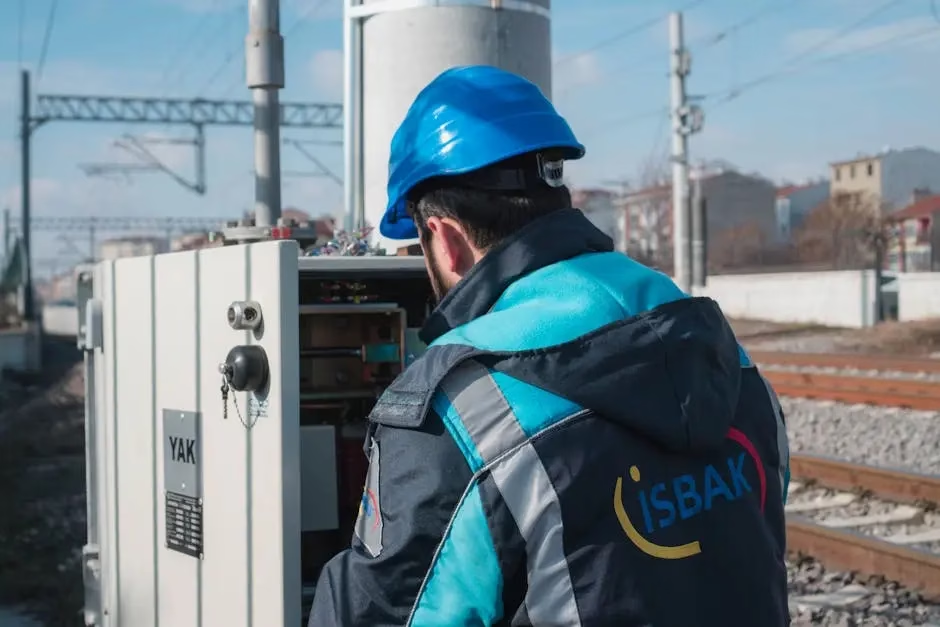
Understanding the components of your air conditioning system is crucial for effective maintenance. One such component is the outdoor disconnect. In this blog, we’ll explore what an outdoor disconnect is and why it’s essential for keeping your A/C running smoothly.
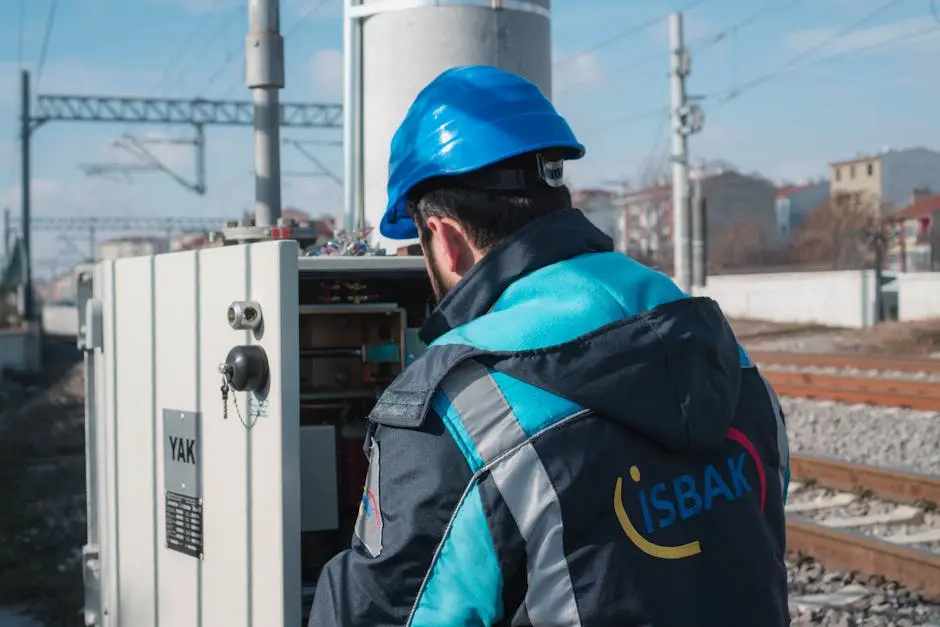
What Is an Outdoor Disconnect?
An outdoor disconnect is a safety device that allows you to shut off power to your air conditioning unit. It’s typically mounted outside near the A/C unit and is critical for safe maintenance operations.
Imagine trying to work on your air conditioning unit with it still powered on. That’s where the outdoor disconnect comes in! It acts as a crucial barrier between you and potential electrical hazards, making it a must-have for any A/C system.
The outdoor disconnect not only serves as a power cut-off but also streamlines the maintenance process. By centralizing the control, it provides technicians with a quick and safe way to operate on the unit.
In essence, it is like an emergency switch that provides immediate access to stop the flow of electricity to your air conditioning system, enhancing safety for everyone involved.
How Does an Outdoor Disconnect Work?
The outdoor disconnect cuts power to the A/C, ensuring that technicians can work on the unit without the risk of electrical shock. It operates through a simple switch mechanism that interrupts the power supply.
When the switch is flipped, it breaks the circuit, cutting off the flow of electricity. This is particularly important during maintenance or repair work when you need to ensure that no power is running to the unit.
Think of it this way: just like you wouldn’t want to tinker with live wires on any other electrical device, working on your air conditioner requires the same kind of caution. The outdoor disconnect provides that peace of mind.
Furthermore, many disconnects are equipped with features like fuses or circuit breakers to prevent overload, adding another layer of protection to your A/C maintenance strategy.
Why Is an Outdoor Disconnect Important for A/C Maintenance?
It’s vital for safety during servicing, helps in compliance with electrical codes, and can prevent accidental equipment damage. Without it, routine checks could be hazardous.
Using an outdoor disconnect is not just about safety; it’s mandatory for compliance with various local electrical codes. Many regulations require that all air conditioning work must include a method to disconnect power safely.
In addition, the outdoor disconnect prevents accidental equipment damage. If technicians unknowingly try to work on a live unit, the resulting malfunction can lead to costly repairs that could have been easily avoided.
Apart from that, it’s crucial to note that having a properly installed disconnect can actually extend the lifespan of your A/C system. By ensuring that maintenance tasks can be performed safely and efficiently, you minimize the wear and tear on your unit.
How to Maintain Your Outdoor Disconnect?
Regularly inspect the outdoor disconnect for signs of wear or corrosion. Ensure the cover is securely fastened and that the switch operates smoothly. If you notice any issues, consult a professional.
Maintenance of your outdoor disconnect is both simple and vital. Begin by checking for any dirt or debris that may have accumulated. Sometimes, a clean disconnect can perform wonders for its functionality.
Also, it’s important to examine the electrical connections to ensure they are tight. Loose connections can create arcing and worsen performance, leading to overheating issues.
Scheduling a routine checkup every year with HVAC professionals can add an extra layer of confidence, ensuring that your outdoor disconnect is always in top shape.
What Happens If You Don’t Have an Outdoor Disconnect?
Operating an A/C unit without an outdoor disconnect can lead to electrical hazards, increased risks during maintenance, and potential violations of building codes.
If you don’t have this safety device, the risks are significant. The chances of electrical shock during maintenance soar, putting both you and the technician in peril.
Moreover, without an outdoor disconnect, you might face significant legal ramifications. Ignoring electrical codes can result in fines and even void your homeowner’s insurance.
In conclusion, not having an outdoor disconnect is not only a maintenance oversight; it’s a safety hazard that could lead to dangerous situations. Make sure you have this essential component in place to ensure safe and efficient A/C operation.
Wrap-Up: The Importance of Outdoor Disconnect Maintenance
Regular maintenance of your outdoor disconnect can prevent costly repairs and ensure efficient operation of your air conditioning system. Make it a part of your routine A/C checks.